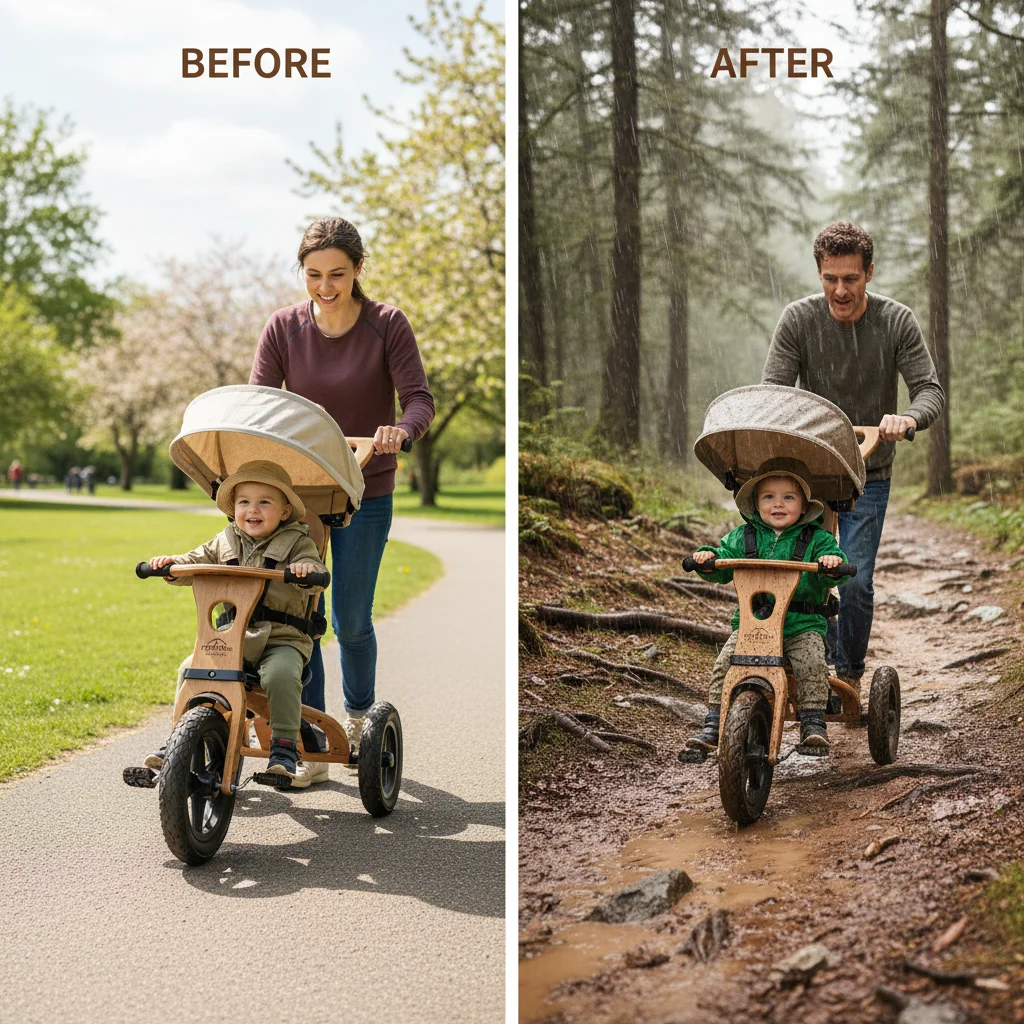
Selecting a reliable trikes for tots Manufacturer is more than a simple procurement task; it is a commitment to child safety and developmental growth. For B2B buyers, distributors, and brand owners, the challenge lies in balancing cost-efficiency with rigorous safety certifications and ergonomic design that adapts to a child's growth.
The modern market demands ride-ons that are not only entertaining but also functional, featuring adjustable components and eco-friendly materials. From balance bikes to hand-pushed tricycles, the technical specifications—such as load capacity and material toxicity—directly impact market competitiveness and brand reputation.
This professional analysis explores the critical evaluation metrics for sourcing children's riding products, highlighting how direct-export source factories optimize the supply chain to deliver certified quality without intermediary mark-ups.

Critical Standards for Children's Tricycle Manufacturing

In the toy manufacturing sector, safety is the non-negotiable foundation. Professional manufacturers must adhere to international standards such as CE and EN71 to ensure that materials are non-toxic and structural designs prevent common accidents. A high-quality tricycle must undergo impact resistance testing to ensure the frame can withstand unexpected stresses during active play.
Beyond certifications, the choice of materials plays a pivotal role. Eco-friendly, non-toxic plastics and reinforced alloys are essential for products intended for children aged 1-6. The integration of a sturdy anti-tip design and wide seating is not just a feature but a safety requirement to enhance body coordination and prevent falls.
For businesses sourcing from China's manufacturing hubs, such as Xingtai, verifying the internal quality inspection process is vital. A source factory with in-house injection molding and assembly lines provides greater transparency and control over these critical safety parameters compared to trading companies.
Technical Value of Ergonomic Riding Designs
The technical superiority of a children's tricycle is found in its adaptability. For example, the implementation of an adjustable push handle allows parents to steer and control speed during early developmental stages, which then detaches as the child gains independence. This transition from assisted to independent riding is key to the product's lifecycle value.
Another critical technical detail is the freewheel mechanism. By allowing the front wheel to rotate independently of the pedals, the child can rest their legs while the parent pushes, preventing the "pedal-push" conflict that often leads to discomfort or instability.
Furthermore, the integration of sunshade canopies and storage baskets transforms a simple toy into a family utility tool. These additions, combined with lightweight and foldable frames, address the urban parent's need for portability and convenience during outdoor adventures.
Market Application Scenarios for Ride-On Products
Ride-on products serve diverse market segments, each with specific requirements. In the maternal-child retail channel, the focus is often on aesthetic appeal and multi-functionality, such as 9-in-1 strollers that grow with the child. These products are positioned as long-term investments for parents.
Kindergartens and early childhood education centers prioritize durability and stability. For these institutional buyers, balance bikes are highly valued because they strengthen physical equilibrium and unleash natural movement instincts, fostering cognitive and physical growth through active play.
Cross-border e-commerce platforms demand products with high "unboxing" value and compact packaging to reduce shipping costs. Lightweight, foldable strollers and simple tricycles that can be assembled quickly are the top performers in these digital marketplaces due to their logistics efficiency.
Comparing Factory Direct Performance vs Trading Middlemen
When evaluating a trikes for tots Manufacturer, the distinction between a source factory and a trading company is reflected in quality consistency and cost structures. Source factories utilize lean production management and automated equipment to maintain a stable output of hundreds of thousands of units annually.
The following data illustrates the typical performance gap in key procurement metrics when partnering directly with a specialized manufacturer versus utilizing multiple intermediaries.
trikes for tots Manufacturer Performance Metrics
Direct factory partnerships typically result in higher quality control scores because the manufacturer manages the entire chain—from raw material injection molding to final assembly. This eliminates the communication gaps and quality slippage common in multi-tiered sourcing models.
Procurement Strategies for Global Toy Distributors
For distributors, the ability to customize products—OEM/ODM services—is a critical competitive advantage. This includes not only brand logos and exclusive color schemes but also functional fine-tuning based on specific regional market requirements, such as adjusting wheel materials for different terrain types.
A flexible MOQ (Minimum Order Quantity) strategy is essential for testing new markets. Professional manufacturers offer a pathway from small trial orders to full container loads, allowing brands to validate demand without excessive inventory risk.
Finally, professional export expertise is paramount. Ensuring hassle-free inspection and customs clearance through a partner experienced in Southeast Asian, European, and American markets reduces the total landed cost and prevents costly shipping delays.
Future Trends in Eco-Friendly Children's Vehicles
The industry is likely to shift toward a "circular economy" model, where the use of biodegradable polymers and recycled alloys becomes a standard rather than a premium feature. Parents are increasingly prioritizing the environmental footprint of the toys they purchase for their children.
We may see an increase in modular designs that allow for easier part replacement. Instead of replacing an entire tricycle as a child grows, manufacturers could introduce upgrade kits that modify the seat height and pedal distance, extending the product's usable life and reducing waste.
Furthermore, the integration of smart safety sensors—such as proximity alerts or stability monitors—could potentially enter the high-end ride-on market. However, the core focus will remain on maintaining the "joy of play" while enhancing the physical strength and equilibrium of the child.
Selection Guide for Different Ride-On Categories
Choosing the right product category depends on the child's developmental stage and the intended use case. A baby balance bike is fundamentally different from a push tricycle in terms of the physical skills it promotes and the level of parental intervention required.
The following table provides a professional comparison to help buyers determine the best product mix for their target demographic.
| Product Type | Primary Goal | Target Age | Key Feature |
|---|---|---|---|
| Balance Bike | Equilibrium Training | 2-4 Years | Pedal-less Design |
| Push Tricycle | Parental Control | 1-3 Years | Adjustable Handle |
| Simple Tricycle | Independent Riding | 3-6 Years | Manual Pedaling |
| Hand-Pushed Trike | Urban Mobility | 1-4 Years | Foldable Frame |
| 9-in-1 Stroller | Versatility | 1-5 Years | Multi-stage Adaptability |
| All-Terrain Ride-on | Outdoor Adventure | 3-6 Years | Shock-absorbing Wheels |
Ultimately, a diversified product portfolio that covers these categories allows a brand to capture the entire childhood growth cycle, increasing customer lifetime value and brand loyalty.
Frequently Asked Questions
Conclusion
The procurement of children's riding products requires a sophisticated balance of safety compliance, ergonomic engineering, and supply chain efficiency. By partnering with a direct-export source factory, businesses can eliminate unnecessary costs while ensuring that every product is crafted with a "parent's heart"—prioritizing safety and joy above all else.
As the market evolves toward eco-friendly materials and modular designs, maintaining a relationship with a manufacturer capable of OEM/ODM customization will be the key to sustainable growth. Readers evaluating these options can review relevant product and company information available through www.wqlkidsrideon.com.