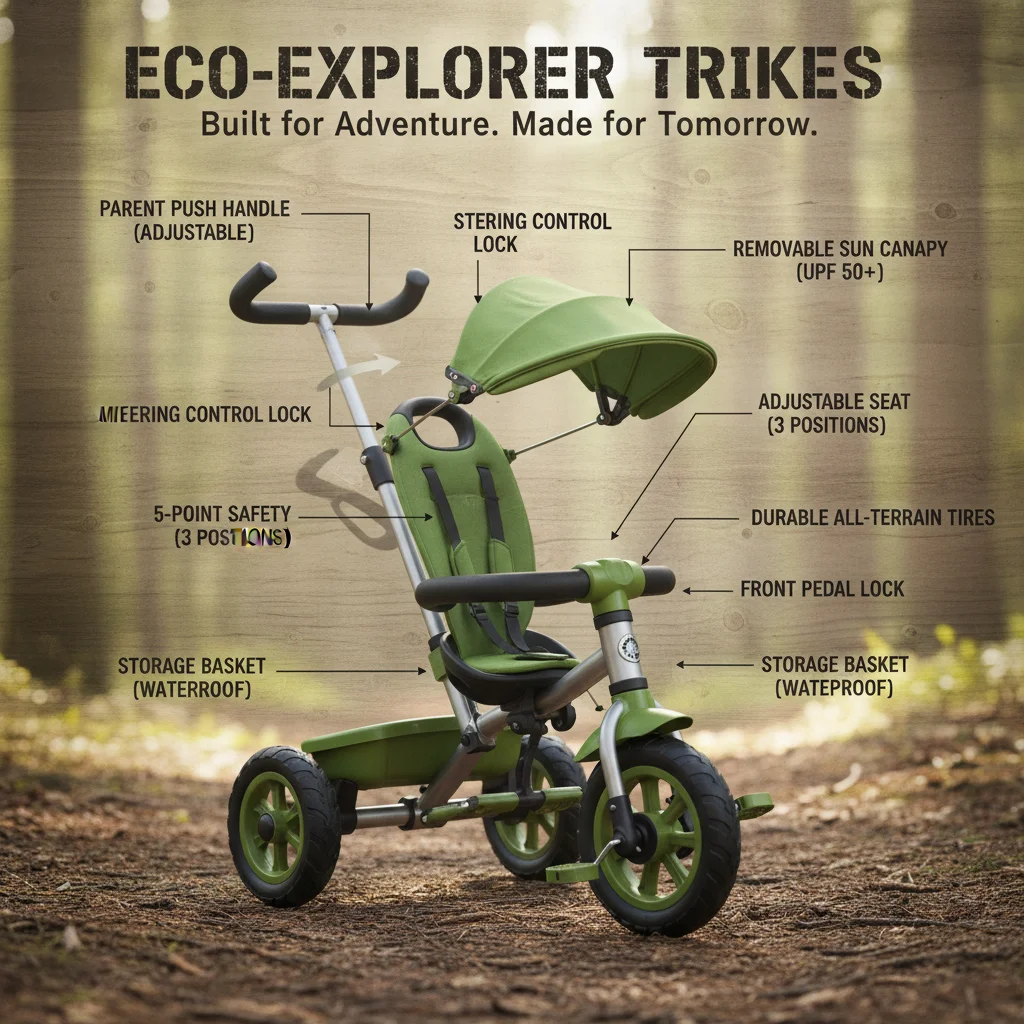
Selecting a reliable infant push trike Manufacturer is a critical decision for brands and retailers aiming to deliver safety and developmental value to early childhood consumers. These versatile ride-ons bridge the gap between strollers and independent cycling, providing a structured environment where infants can experience the joy of movement while remaining under total parental control.
In the global juvenile products market, the role of a professional infant push trike Manufacturer extends beyond simple assembly; it involves the integration of ergonomic engineering, non-toxic material science, and adherence to stringent international safety standards such as ASTM and EN71. As parents increasingly prioritize "active parenting" and developmental milestones, the demand for adaptable, multi-stage tricycles has surged globally.
Understanding the nuances of the manufacturing process allows stakeholders to ensure that products are not only commercially viable but also sustainable and safe. By partnering with an experienced infant push trike Manufacturer, companies can implement innovative features like adjustable handlebars, growth-adaptive seating, and eco-friendly wheel compounds that enhance the overall user experience for both parent and child.
The Global Role of an Infant Push Trike Manufacturer
An infant push trike Manufacturer operates at the intersection of automotive miniature engineering and early childhood education. Their primary responsibility is to create a vehicle that evolves with the child, starting as a pushed carriage for infants and transitioning into a self-pedaled tricycle for toddlers. This evolution requires a deep understanding of pediatric ergonomics to ensure that the seat height, footrest position, and handlebar grip are optimal for varying age groups.
Beyond the physical product, the manufacturer must navigate a complex web of global certifications. Whether exporting to the European Union or North America, the ability to maintain a transparent supply chain and utilize certified non-phthalate plastics is what separates a premium infant push trike Manufacturer from generic producers. This commitment to quality ensures that the final product promotes motor skill development without compromising the child's safety.
Core Engineering Standards in Trike Production
The structural integrity of a push trike begins with the chassis. A professional infant push trike Manufacturer utilizes high-grade reinforced polymers or lightweight alloys to ensure the frame can withstand the dynamic loads of a pushing adult and the erratic movements of a child. Stability is paramount; therefore, the center of gravity is meticulously calculated to prevent tipping during sharp turns or sudden stops.
Safety mechanisms are the next pillar of engineering. From five-point safety harnesses that secure the infant to intuitive "one-touch" braking systems for the parent, every component is stress-tested. Manufacturers employ rigorous fatigue testing, simulating thousands of cycles of folding and unfolding, to guarantee that the product remains robust throughout its multi-year lifecycle.
Finally, the interface between the wheel and the ground is critical. An expert infant push trike Manufacturer selects EVA or rubber compounds that balance noise reduction with grip. This ensures a smooth ride on urban pavements while providing enough friction on slippery surfaces to maintain control, reflecting a holistic approach to child safety and comfort.
Developmental Benefits of Multi-Stage Design
The primary goal of a versatile infant push trike Manufacturer is to create a product that supports the "Growth-Adaptive" philosophy. In the initial stage, the push trike acts as a sensory tool, allowing the baby to observe the world from a higher vantage point than a traditional stroller, which stimulates visual curiosity and cognitive engagement.
As the child grows, the infant push trike Manufacturer incorporates removable components—such as the safety guardrail and the parental push handle. This transition is vital for developing gross motor skills; as the child begins to pedal independently, they strengthen their leg muscles and improve their hand-eye coordination, transitioning from a passive passenger to an active driver.
Ultimately, this staged approach fosters a sense of autonomy and confidence in the child. By partnering with an infant push trike Manufacturer who understands these milestones, brands can offer a product that isn't just a toy, but a developmental tool that grows alongside the family, providing long-term value and emotional connection.
Comparative Analysis of Manufacturing Methods
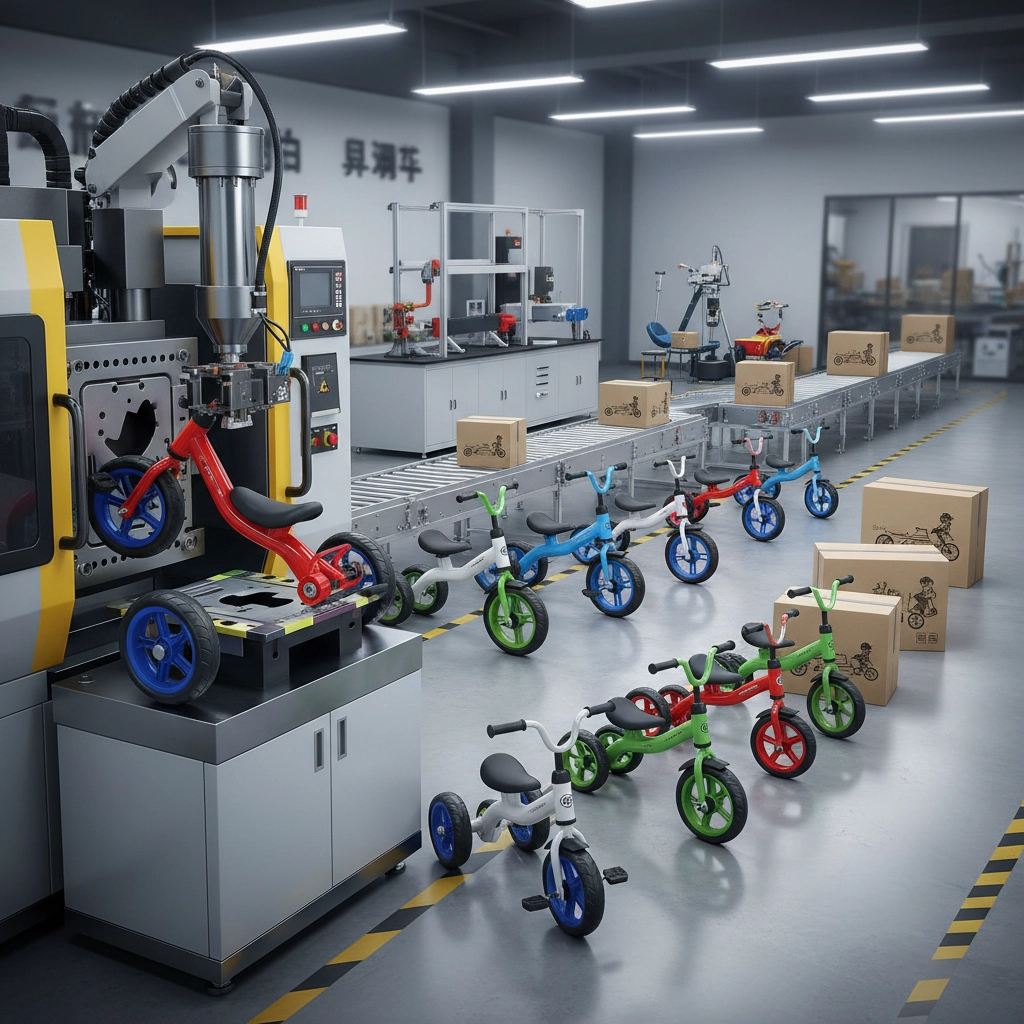
Different production methodologies can significantly impact the end-user's experience and the brand's profit margins. A top-tier infant push trike Manufacturer often weighs the benefits of high-precision injection molding against manual assembly lines to ensure consistency across thousands of units.
While fully automated lines increase speed, hybrid approaches often allow for better quality control in the final assembly of safety-critical components. The following chart illustrates how different manufacturing approaches used by an infant push trike Manufacturer score across key performance indicators.
Manufacturing Efficiency and Quality Ratings
Global Market Applications and Use Cases
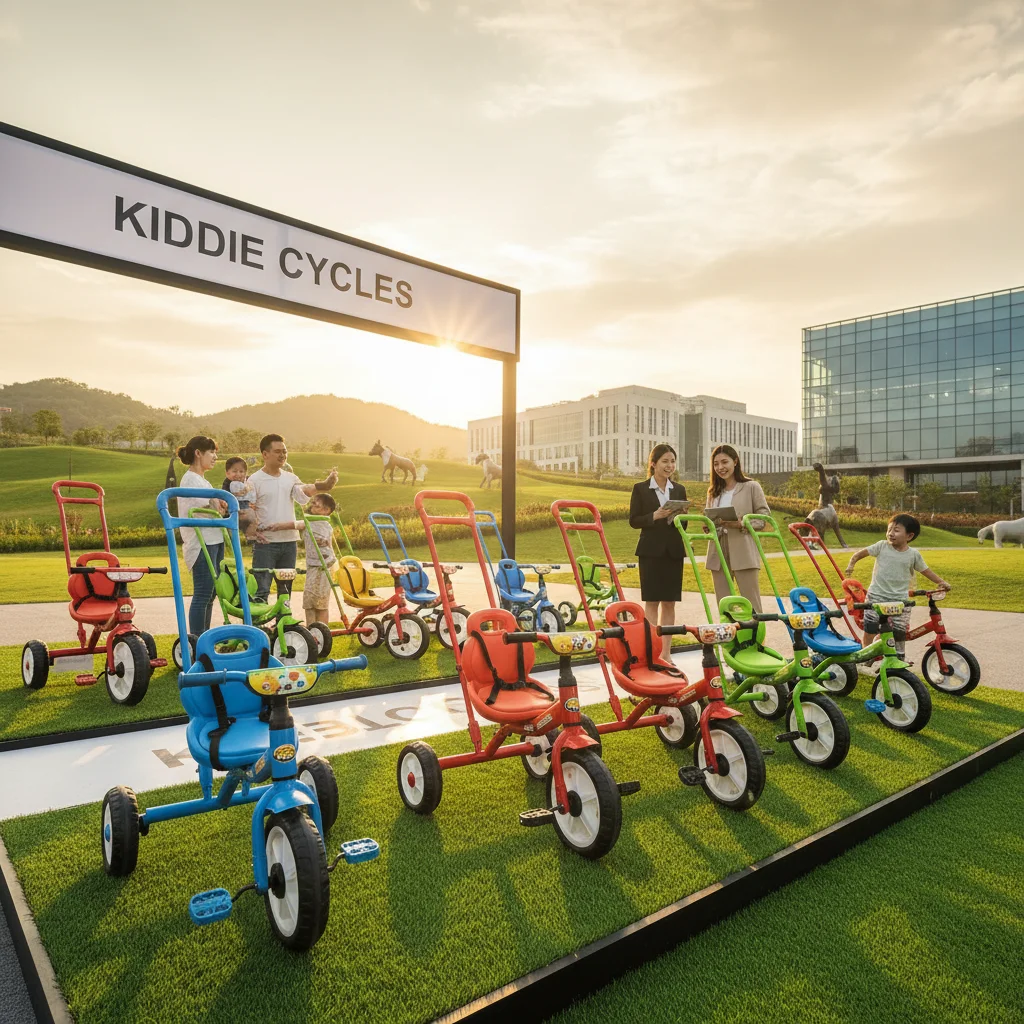
The application of these products varies significantly by region. In dense urban environments like Tokyo or New York, an infant push trike Manufacturer focuses on "compact-fold" technology and high maneuverability, allowing parents to navigate crowded sidewalks and public transport with ease.
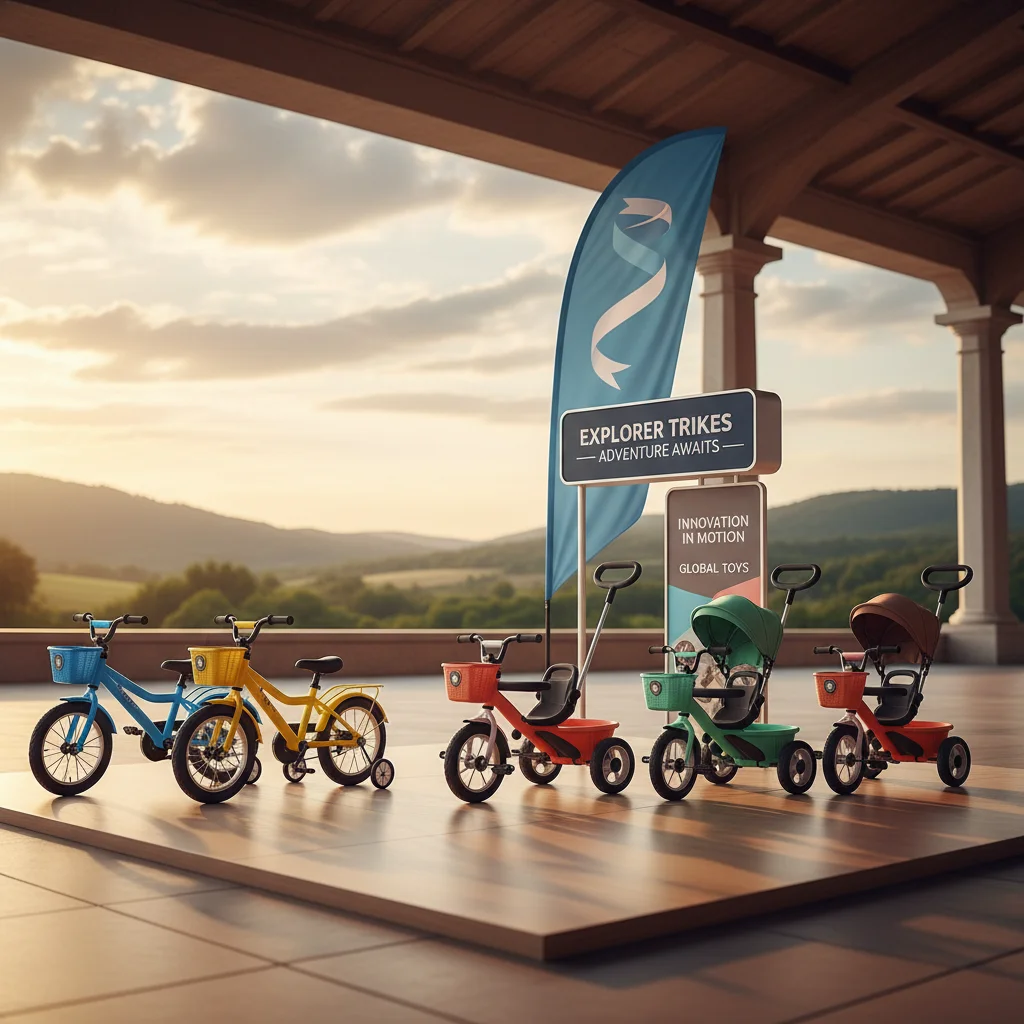
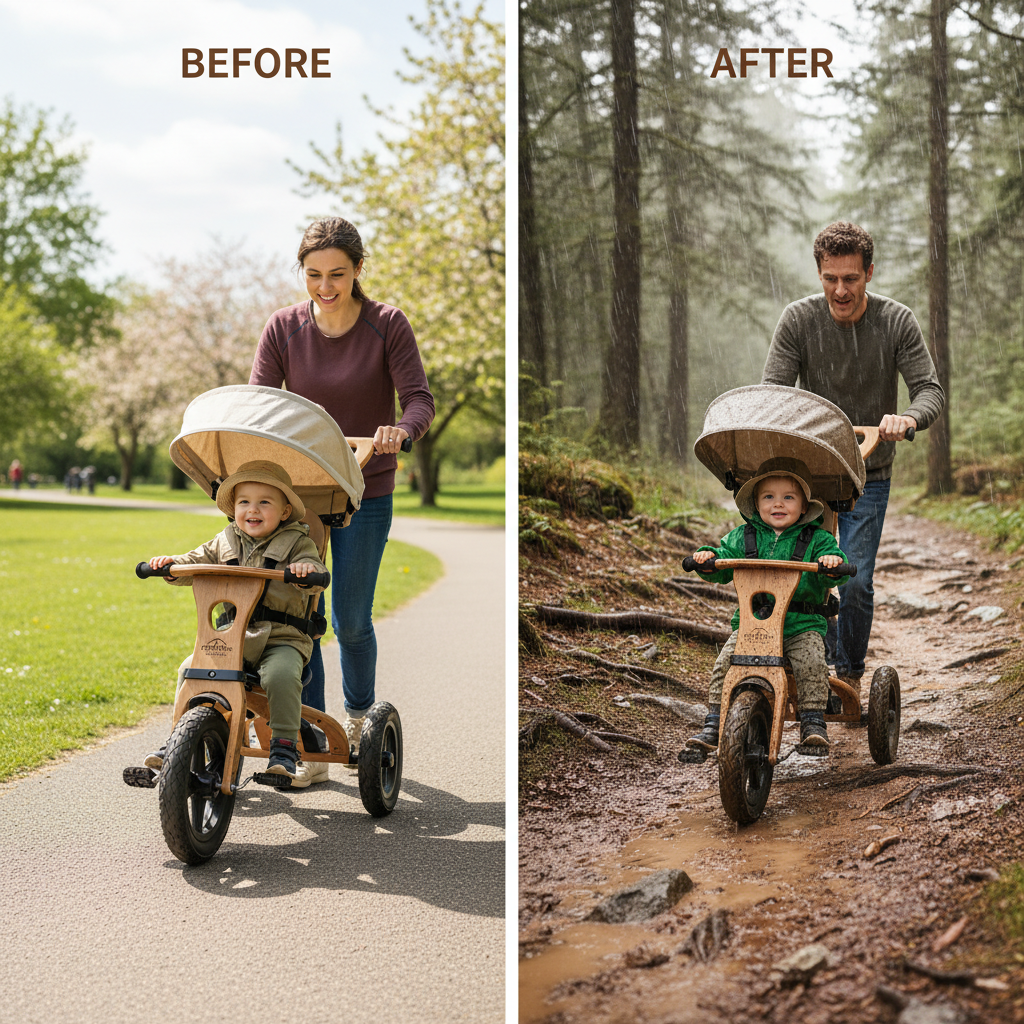
Conversely, in suburban markets across North America and Europe, the emphasis shifts toward "all-terrain" capabilities. Here, the infant push trike Manufacturer integrates wider, shock-absorbing wheels and more robust frames to handle park paths and uneven driveways, catering to a lifestyle of outdoor exploration.
Sustainable Materials in Modern Toy Manufacturing
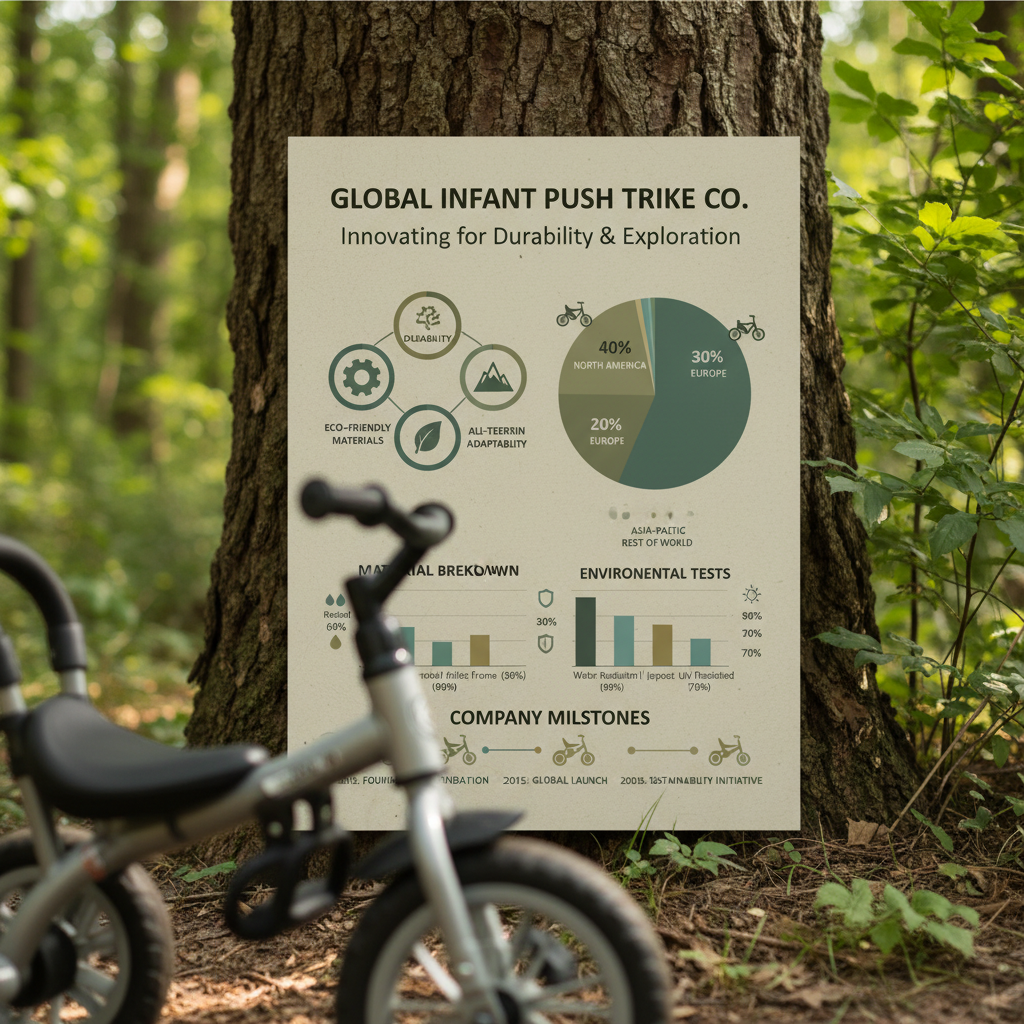
Sustainability is no longer optional; it is a market demand. A forward-thinking infant push trike Manufacturer is now transitioning from virgin plastics to recycled ocean-bound plastics and bio-based polymers. This shift reduces the carbon footprint of each unit without sacrificing the structural rigidity required for child safety.
Moreover, the move toward "Circular Design" means that components are engineered for easy disassembly. By ensuring that the metal frame can be separated from the plastic shell at the end of the product's life, the infant push trike Manufacturer enables a higher rate of recyclability, appealing to the environmentally conscious Gen Z and Millennial parent.
The integration of water-based, non-toxic paints and solvent-free adhesives further enhances the safety profile. When an infant push trike Manufacturer prioritizes these green materials, they not only comply with strict EU REACH regulations but also build a brand image of trust and responsibility.
Quality Control Metrics for Export Readiness
To successfully enter the international market, an infant push trike Manufacturer must implement a multi-stage Quality Assurance (QA) protocol. This begins with Raw Material Inspection (RMI) to ensure no heavy metals are present, followed by In-Process Quality Control (IPQC) during the molding and assembly phases.
The final stage is the Finished Goods Audit, where random samples are subjected to "drop tests" and "load-bearing tests" to simulate real-world accidents. A disciplined infant push trike Manufacturer maintains a detailed traceability system, allowing them to track every component back to its original batch in case of a recall.
This rigorous approach ensures that the product is not only aesthetically pleasing but functionally infallible. By adhering to these metrics, the infant push trike Manufacturer provides the peace of mind that parents require when purchasing a product for their most precious cargo.
Export Quality and Safety Compliance Matrix
| Testing Dimension |
Standard Requirement |
Risk Level |
Manufacturer Solution |
| Chemical Safety |
EN71-3 / ASTM F963 |
High |
BPA-free, Phthalate-free polymers |
| Structural Load |
25kg-30kg Dynamic |
Medium |
Reinforced steel frame tubing |
| Tipping Stability |
ISO Stability Test |
High |
Widened wheelbase architecture |
| Edge Sharpness |
No protruding sharp edges |
Medium |
CNC rounded molding process |
| Braking distance |
< 1.5m at low speed |
High |
High-friction rubber brake pads |
| Harness Strength |
Tension test 500N |
High |
Industrial-grade nylon webbing |
FAQS
Prioritize manufacturers who hold international safety certifications (ASTM, EN71, ISO). Check for their ability to provide material safety data sheets (MSDS) and evidence of rigorous stress-testing. A reliable manufacturer should also offer flexible OEM/ODM services to allow for brand customization while maintaining strict quality control over the supply chain.
While strollers are primarily for transport, a push trike produced by a professional manufacturer is designed for developmental transition. It includes pedal systems and removable handles that allow the child to move from being pushed to pedaling independently, promoting early motor skill development and balance that a standard stroller cannot provide.
Yes, provided they are sourced from a reputable infant push trike Manufacturer that includes high-back supportive seating, 5-point safety harnesses, and protective guardrails. These features ensure the infant is securely positioned while the parent maintains full control via the push handle, preventing accidental slips or falls.
Most professional manufacturers offer comprehensive ODM services. This includes customizing the color palette, adding branded logos, adjusting material grades (e.g., upgrading to premium faux leather seats), and even modifying the packaging to align with your brand's visual identity, provided the core safety engineering remains intact.
A high-quality trike is typically designed to last from 10 months up to 3 or 5 years of age. Because it is multi-stage, the manufacturer builds it to be adaptable. With proper maintenance and a durable frame, the product evolves through the "push" phase, the "assisted pedal" phase, and finally the "independent tricycle" phase.
Manufacturers use specialized materials like EVA (Ethylene Vinyl Acetate) or high-density rubber. These materials are chosen because they absorb vibration and reduce noise on hard surfaces, ensuring the baby isn't startled by loud road noise and the parent doesn't experience excessive wrist strain from vibration.
Conclusion
In summary, the role of an infant push trike Manufacturer is pivotal in delivering a product that balances safety, developmental psychology, and industrial durability. From the initial selection of non-toxic materials to the final stress-testing of the chassis, every step in the manufacturing process is designed to protect the child while encouraging their natural curiosity and physical growth. By focusing on multi-stage adaptability and international safety compliance, manufacturers create long-term value for families and sustainable growth for brands.
As we look toward the future, the integration of smart materials and carbon-neutral production processes will likely define the next generation of ride-on toys. We encourage businesses to partner with manufacturers who prioritize transparency and innovation to ensure that every journey a child takes is safe, joyful, and empowering. For those seeking premium manufacturing partnerships, visit our website: www.wqlkidsrideon.com