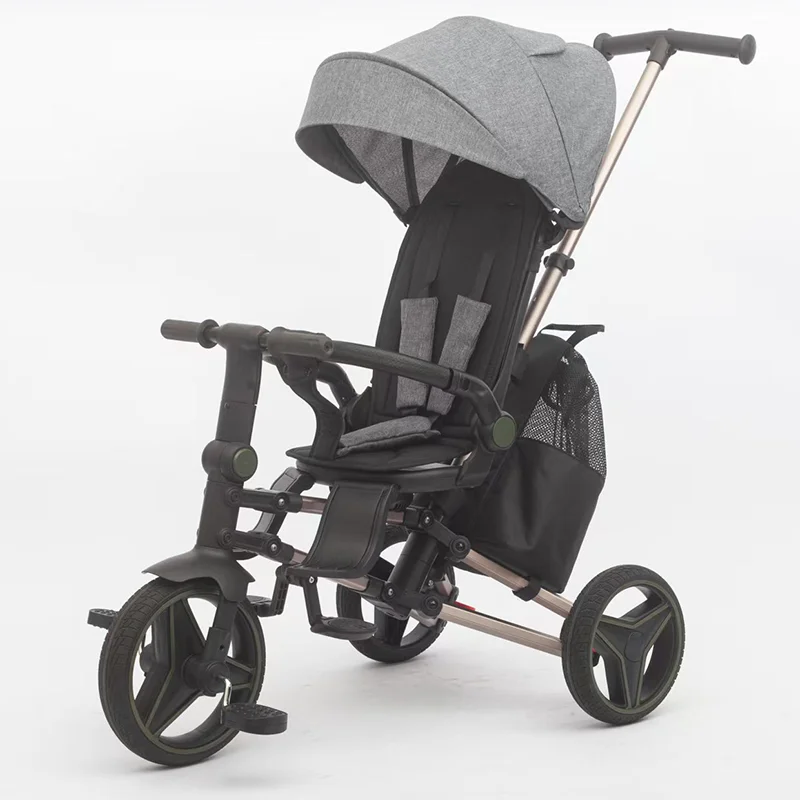
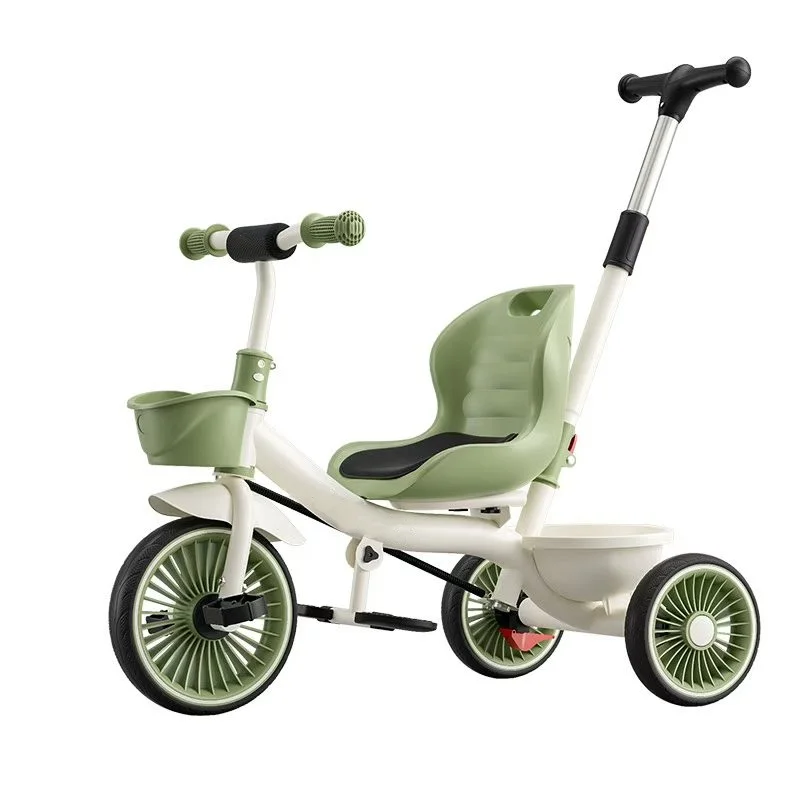
In Japan, the toy manufacturing sector is heavily influenced by "compactness" and "extreme durability." Due to limited living spaces in cities like Tokyo and Osaka, parents prioritize products that offer maximum functionality within a minimal footprint, making the lightweight stroller a necessity rather than a luxury.
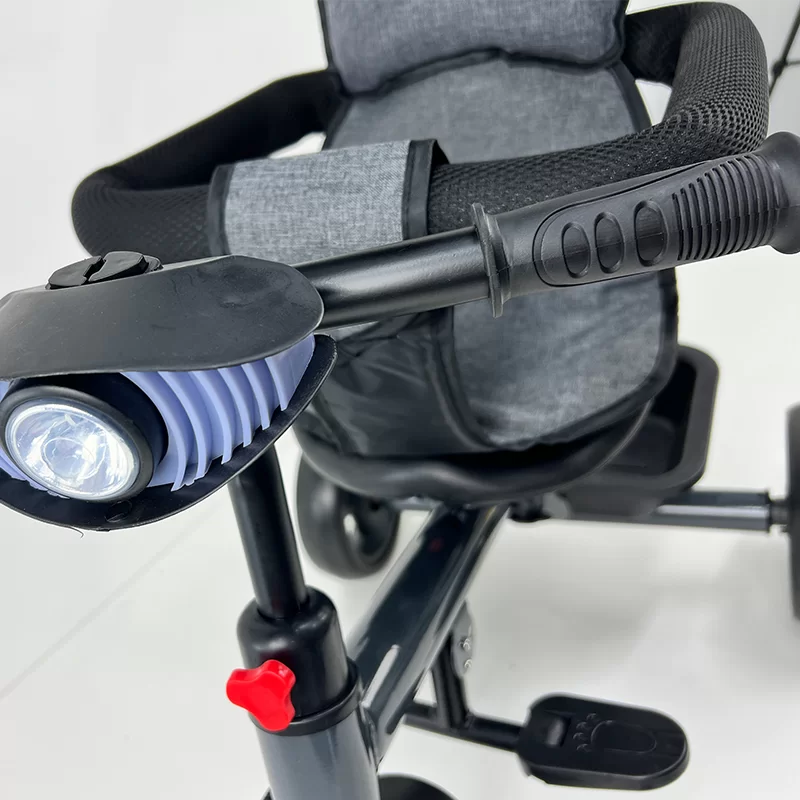
The Japanese market is characterized by a rigorous adherence to safety certifications (such as ST standards). There is a strong preference for ergonomic designs that support the physiological development of toddlers, which is why a high-quality baby walker scooter must balance stability with agile movement.
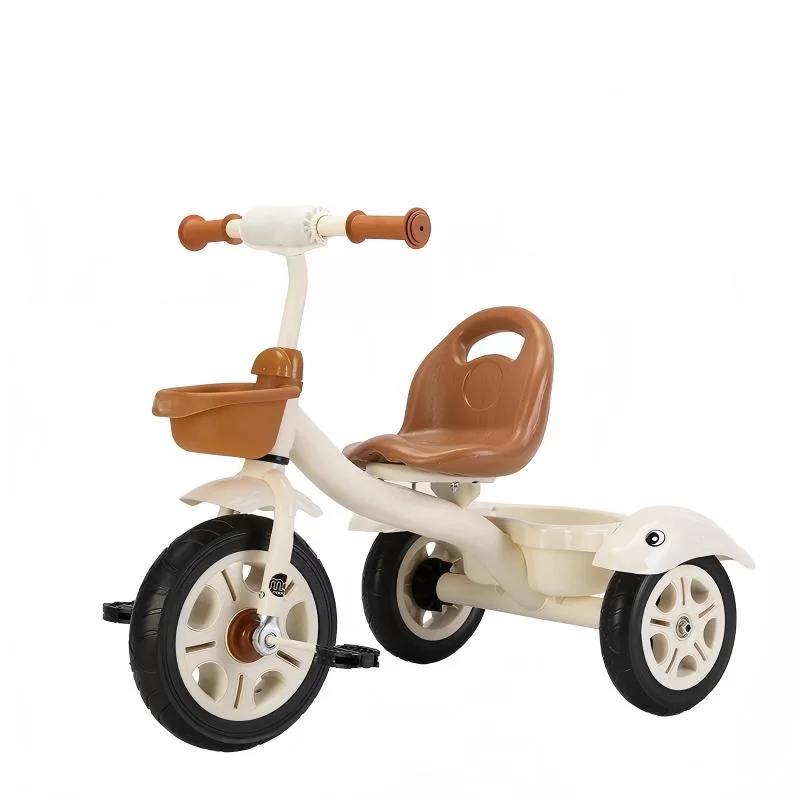
Economic trends show a shift toward "premiumization," where parents are willing to invest in multi-functional gear. This has led to an increased demand for hybrid ride-ons that can transition from early walking stages to active cycling, blending traditional play with modern developmental milestones.