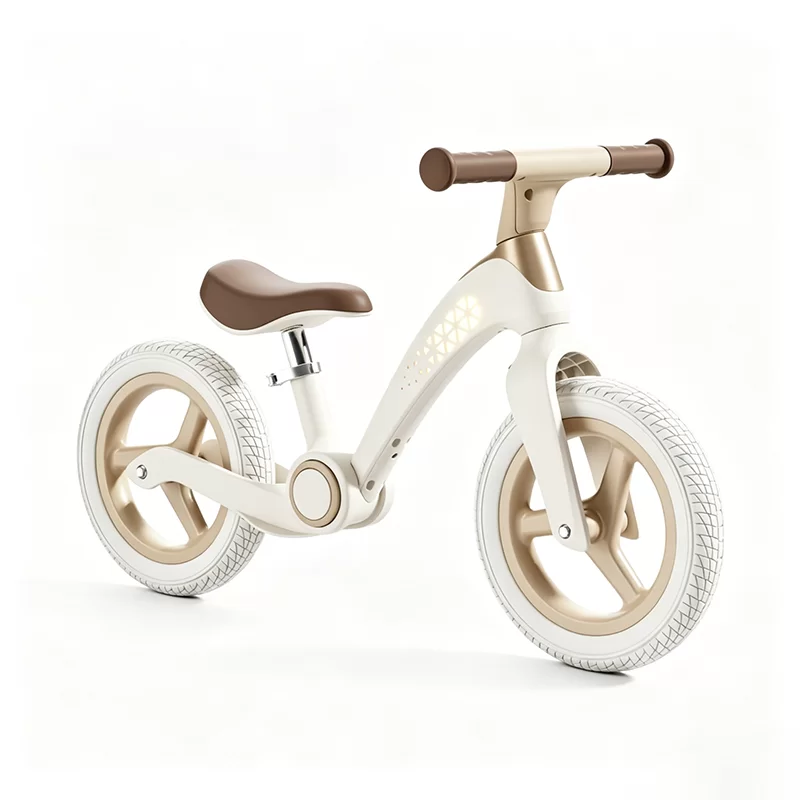
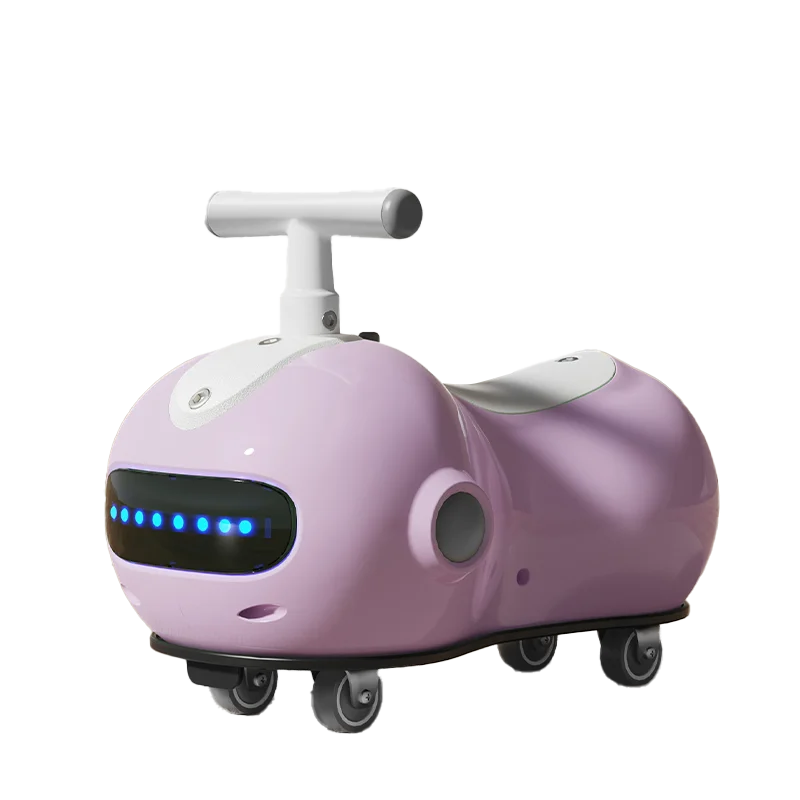
Premium Kids Mobility Solutions The folding baby stroller Series for Brazil

Premium Kids Mobility Solutions: The folding baby stroller Series for Brazil

Engineered for the vibrant urban landscapes of Brazil, combining safety, portability, and ergonomic design for the next generation.

Premium Kids Mobility Solutions: The folding baby stroller Series for Brazil

Offering a comprehensive range of high-performance ride-ons and strollers designed to meet the rigorous demands of Brazilian families, focusing on durability and urban agility.

{Product List Placeholder 1}

Analyzing the Juvenile Ride-on Market in Brazil

Adapting toy manufacturing to the tropical climate and urban infrastructure of South America.

The Brazilian market exhibits a strong preference for outdoor activities, yet urban centers like São Paulo and Rio de Janeiro present challenges such as uneven pavements and limited storage space. This has created a surge in demand for the lightweight stroller, as parents seek products that can navigate crowded sidewalks without sacrificing stability.

Climate plays a pivotal role in material selection. With high humidity and intense UV exposure, traditional plastics degrade quickly. Modern manufacturing now utilizes UV-resistant polymers and breathable fabrics to ensure that every baby walker scooter remains safe and aesthetically pleasing despite the tropical weather.

Economically, there is a shift toward "investment toys"—products that grow with the child. This trend has boosted the popularity of versatile equipment, where a single purchase provides long-term value, blending the boundaries between educational toys and functional transport.
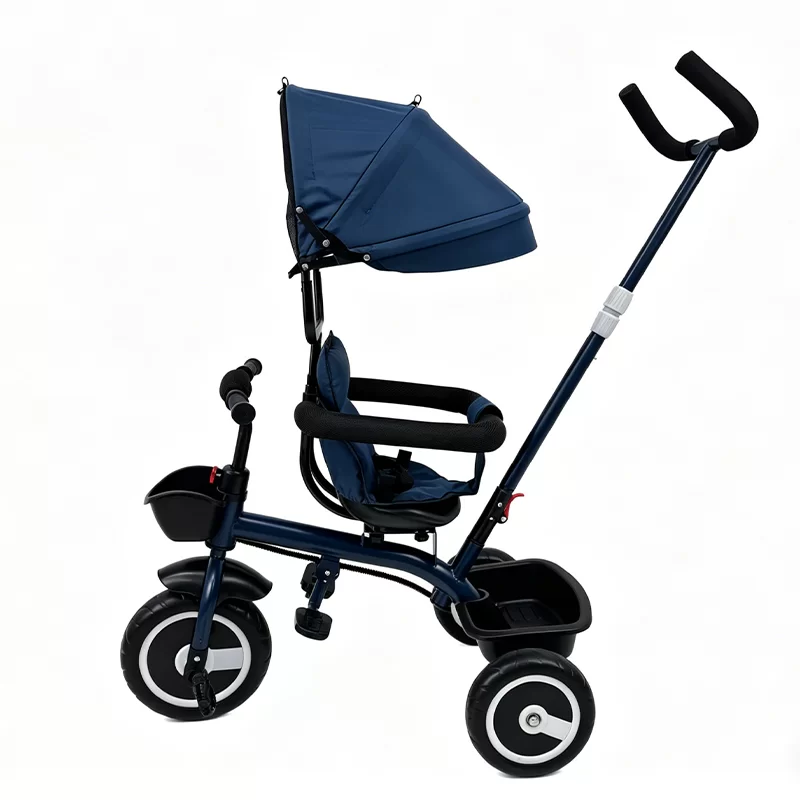
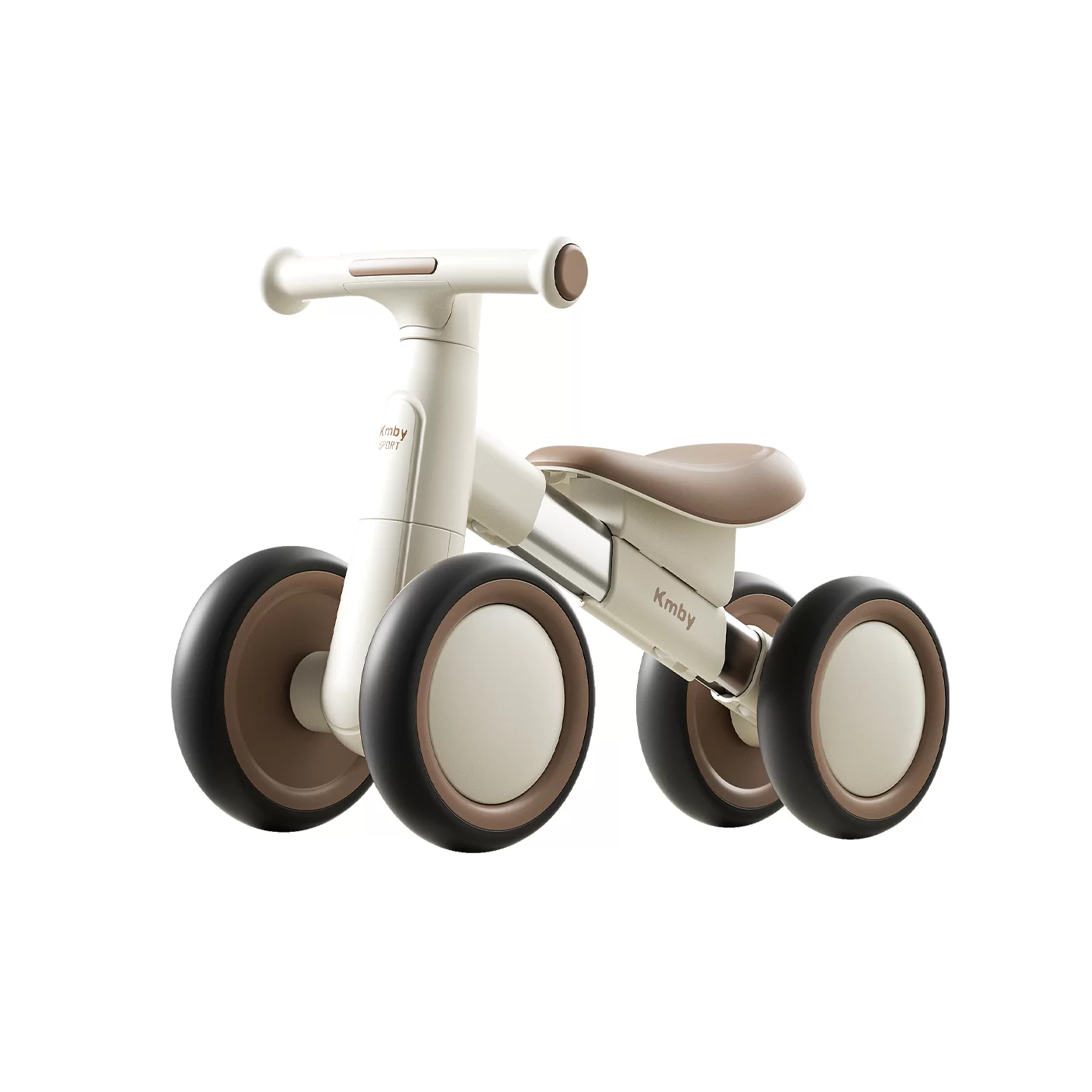
Evolution of Kids' Ride-on Technology

From basic steel frames to intelligent, lightweight composite materials.

Market Development History

In the early 2000s, the Brazilian market was dominated by heavy, single-function steel strollers. These products were durable but lacked the agility required for modern urban living, often making travel cumbersome for parents in high-density areas.

Between 2010 and 2020, a technological shift occurred with the introduction of aluminum alloys and reinforced plastics. This era saw the rise of the kids hybrid bike, which merged the stability of a cruiser with the efficiency of a mountain bike, catering to the diverse terrains of the Brazilian countryside and city parks.

Today, the focus has shifted toward "Ultra-Compact Engineering." The integration of one-hand folding mechanisms and aircraft-grade aluminum has redefined the folding baby stroller, making it a global benchmark for convenience.

Future Development Trends

Smart-Material Integration

Expect the integration of shape-memory alloys and antimicrobial coatings in fabrics to enhance hygiene and longevity in humid environments.

Eco-Friendly Polymer Transition

Driven by global sustainability goals, the next 3 years will see a transition toward bio-based plastics in the production of the kids cruiser bike.

IoT-Enabled Safety Monitoring

Future strollers will likely feature integrated sensors to monitor child temperature and posture, syncing directly with parental smartphones.

Industry Trends and Future Outlook

Predicting the trajectory of toy manufacturing through data-driven insights.

Urban Compactness
Increasing demand for one-second folding systems to fit the small trunks of city cars in Brazil.
Multi-Terrain Versatility
Hybrid wheel designs that transition seamlessly from smooth mall floors to sandy coastal paths.
Ergonomic Growth
Adjustable frame heights that extend the product lifecycle, reducing waste and costs.
Safety Certification
Strict adherence to INMETRO standards to ensure maximum child safety in the local market.

Industry Outlook

Based on Google search trends in South America, there is a significant spike in queries regarding "sustainable baby gear" and "travel-friendly strollers." This suggests that the Brazilian consumer is increasingly valuing environmental responsibility alongside practical functionality.

We anticipate that the integration of lightweight carbon fiber will move from high-end niche products to mass-market strollers and bikes, further reducing the physical strain on parents while increasing the speed and agility of the ride-ons.

Localization Application Scenarios in Brazil

Practical use cases designed for the unique Brazilian lifestyle.

01. Rio de Janeiro Beachfront Promenade

Using a lightweight stroller with wide, sand-resistant wheels to ensure a smooth glide along the Copacabana boardwalk during summer strolls.

02. São Paulo Metro Commuting

Deploying the folding baby stroller for rapid transition from the subway to the street, maximizing space in crowded transit hubs.

03. Curitiba Urban Parks

Utilizing the kids hybrid bike for weekend family outings in the Botanical Garden, handling both paved paths and light gravel trails.

04. Apartment Living in Belo Horizonte

Using a compact baby walker scooter that can be stored easily in small entryways without blocking the corridor.

05. Suburban Cycling in Brasília

Implementing the kids cruiser bike for long, flat rides through the planned city's wide avenues and green spaces.

Brand Story

Global Development Journey of Hebei Waqile Children's Toys Co., Ltd.

Foundation of Excellence

Starting as a specialized workshop, we focused on solving the fundamental flaw of stability in early childhood ride-ons.

Material Innovation

We pioneered the use of reinforced alloys in the mid-2010s, reducing product weight by 30% without compromising safety.

Global Expansion

Entering the South American market, we localized our designs to withstand tropical humidity and diverse urban terrains.

Sustainability Pivot

Implementing eco-friendly manufacturing processes to ensure a greener planet for the children who use our products.

The Future of Mobility

Today, we lead the industry in creating intuitive, growth-adaptive ride-ons that empower every child's first journey.

Complete Mobility Portfolio for Brazil

A curated selection of ride-ons and strollers tailored for the Brazilian family's dynamic lifestyle.

{Product List Placeholder 2}

Common Questions for Brazilian Parents

Expert answers to your concerns regarding kids' mobility and safety.

How do I choose the best folding baby stroller for urban travel in São Paulo?

Look for a model with a "one-hand fold" mechanism and lightweight aluminum frames, which are ideal for the fast-paced transition between public transport and pedestrian walkways.

Are lightweight stroller wheels durable enough for Brazilian pavements?

Yes, our lightweight strollers utilize EVA foam or puncture-proof rubber wheels that absorb shock and resist wear on uneven urban surfaces.

What is the ideal age to start using a baby walker scooter?

Most children can begin using a baby walker scooter between 12 to 24 months, depending on their motor skill development and balance.

Difference between a kids cruiser bike and a kids hybrid bike for beginners?

Cruisers are designed for comfort and casual rides on flat surfaces, while hybrids offer a more versatile frame and gear system for various terrains.

How to maintain a folding baby stroller in high-humidity regions?

Regularly wipe down the frame with a damp cloth and use UV-protective covers to prevent fabric fading and oxidation of metal joints.

Which bike is better for a child living in a hilly Brazilian city?

The kids hybrid bike is highly recommended for hilly areas due to its efficient pedal drive and lightweight construction, making uphill climbs easier for children.

Get in Touch with Our Experts

Ready to upgrade your child's mobility? Our team is available to provide customized B2B and B2C solutions across Brazil.

Contact Us Now

If you are interested in our products, you can choose to leave your information here, and we will be in touch with you shortly.