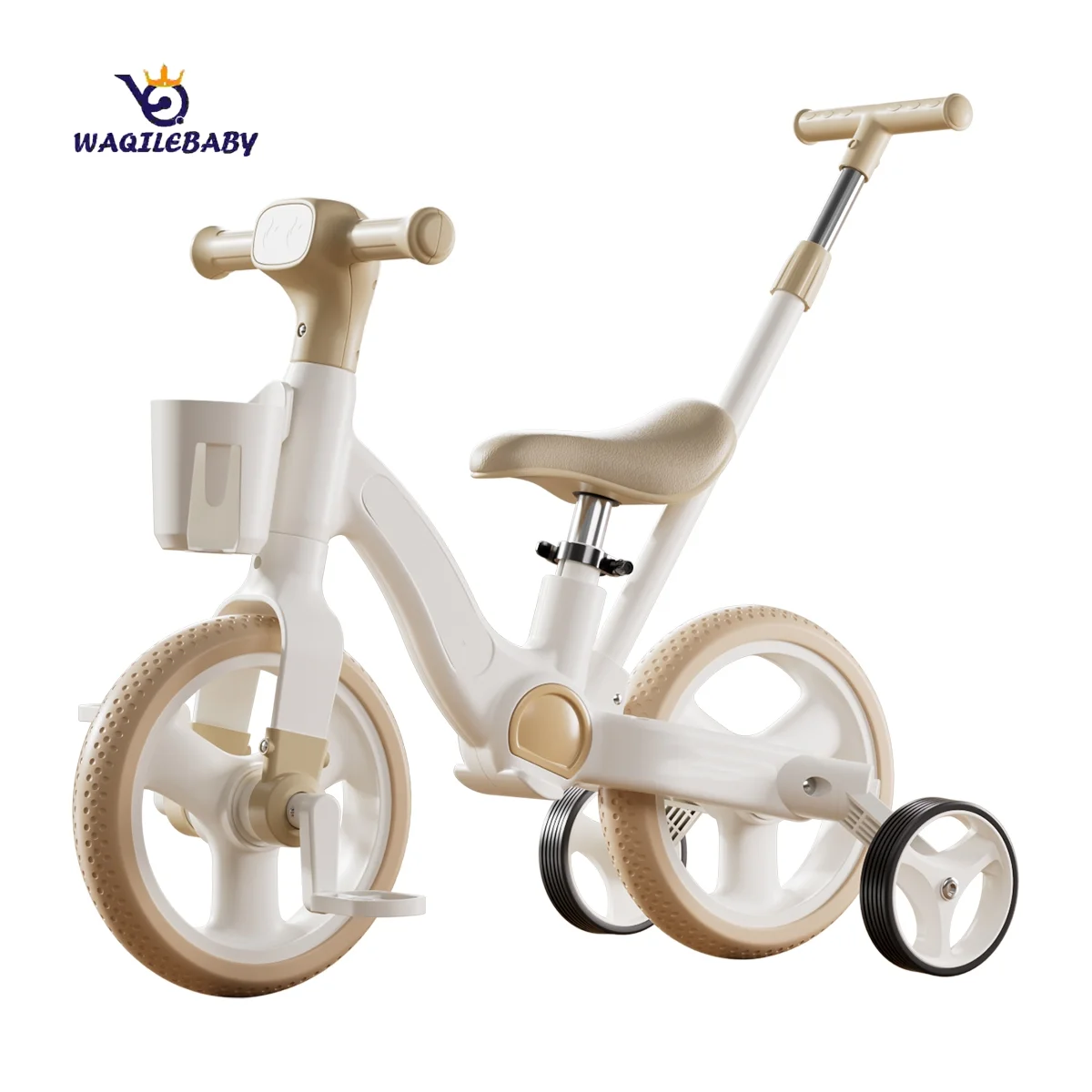
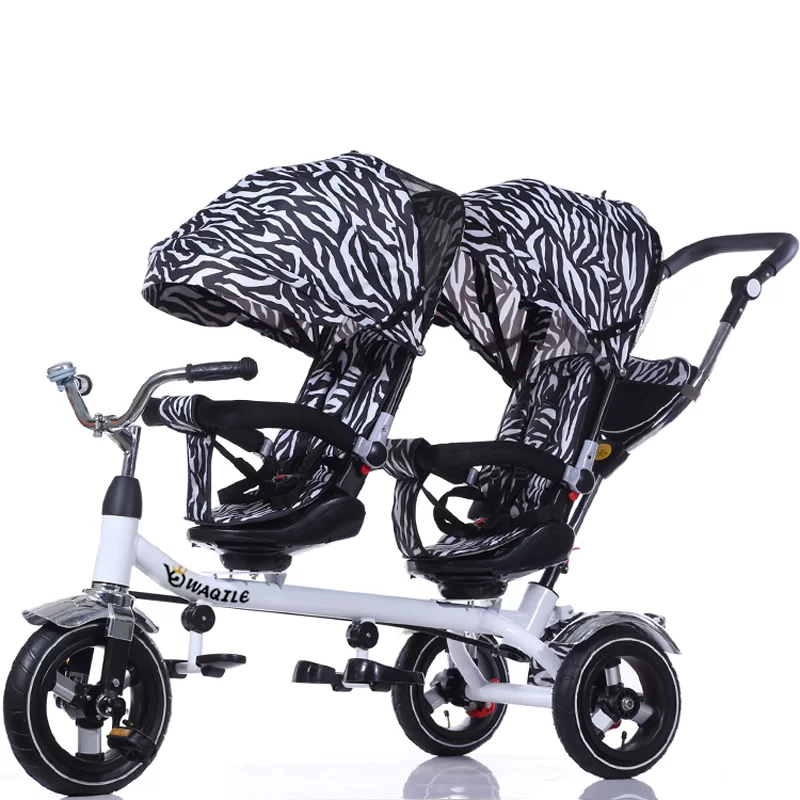
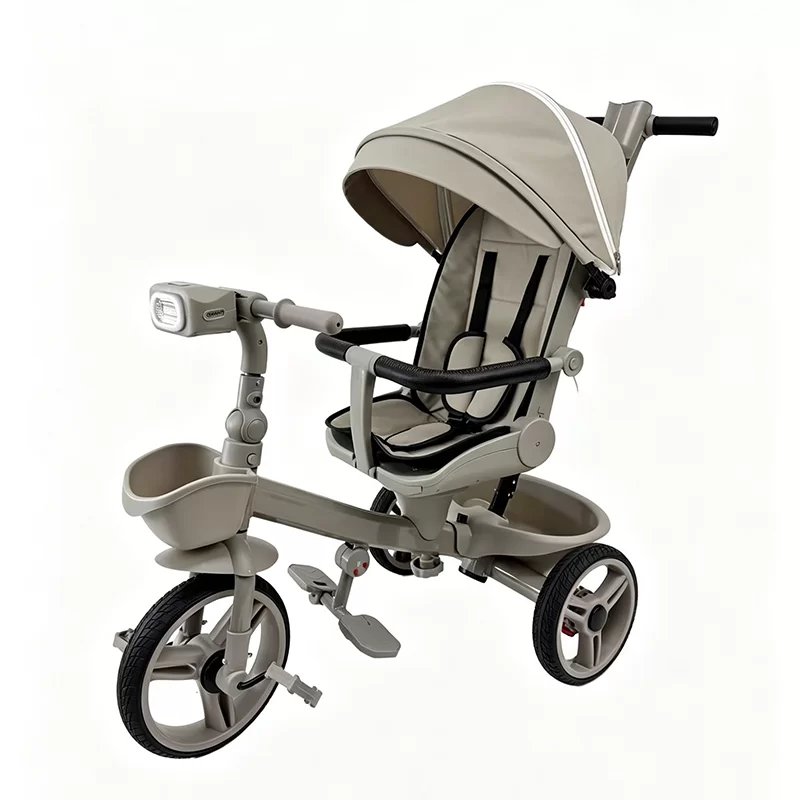
In North Korea, the demand for children's mobility products is heavily influenced by urban planning and the specific nature of public transportation. The prevalence of pedestrian-heavy zones in Pyongyang and other major cities makes the lightweight stroller an essential tool for parents navigating restricted spaces and public transit.
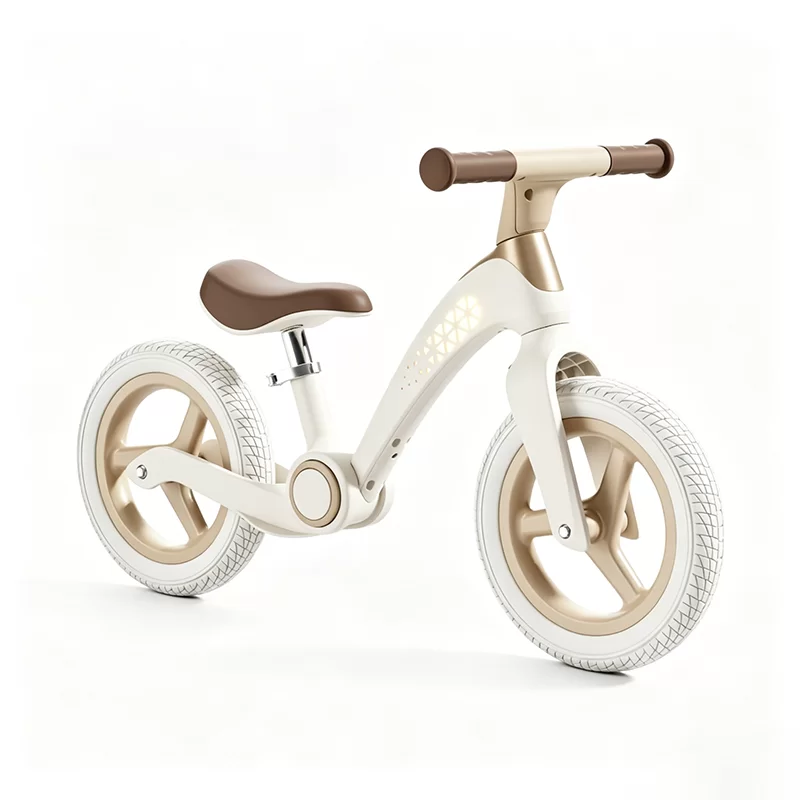
Climate extremes, ranging from harsh winters to humid summers, dictate the material requirements for the local toy manufacturing sector. Products must be constructed from reinforced polymers and corrosion-resistant metals to withstand the environment, ensuring that a baby walker scooter remains functional despite fluctuating temperatures and varying road quality.
Economically, there is a growing shift toward multifunctional products. Families prioritize longevity and versatility, driving the market toward hybrid models that grow with the child. This trend has increased the local interest in durable frames and modular components that reduce the need for frequent replacements.