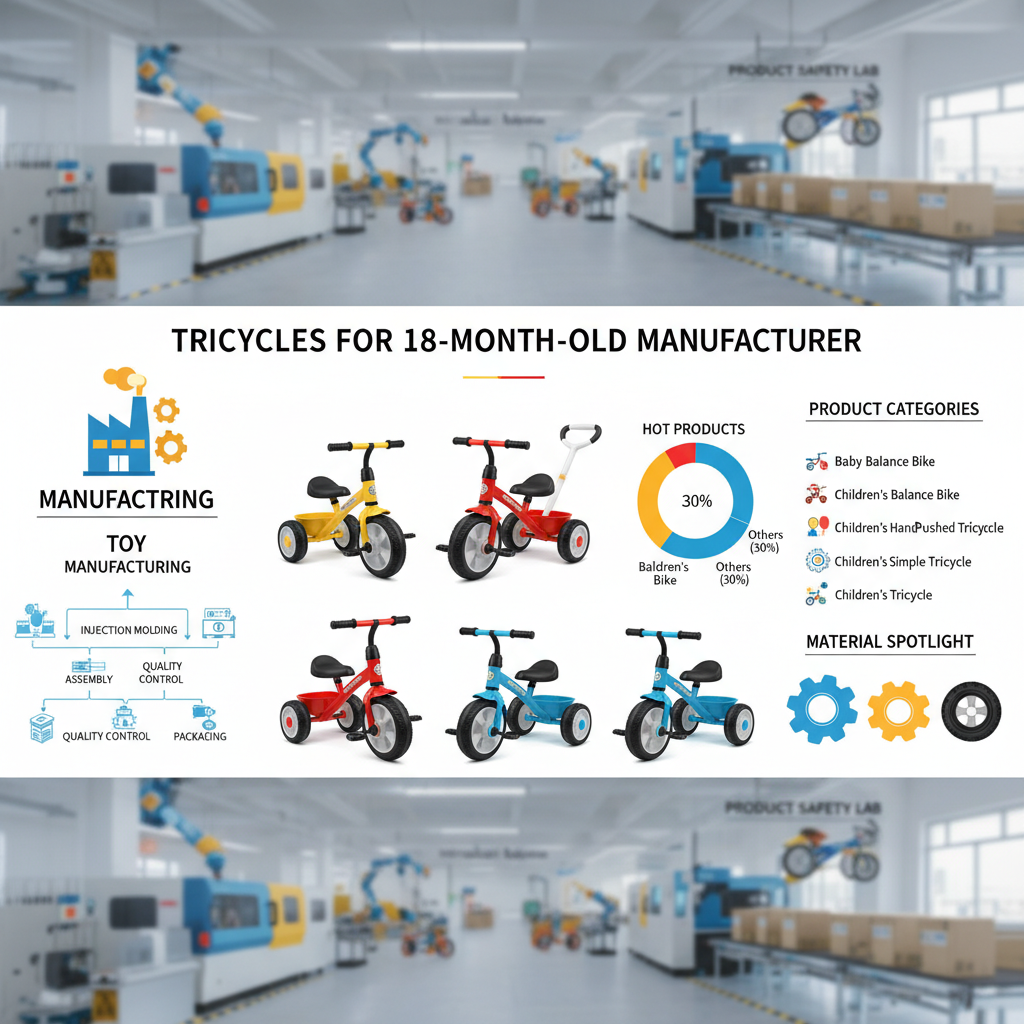
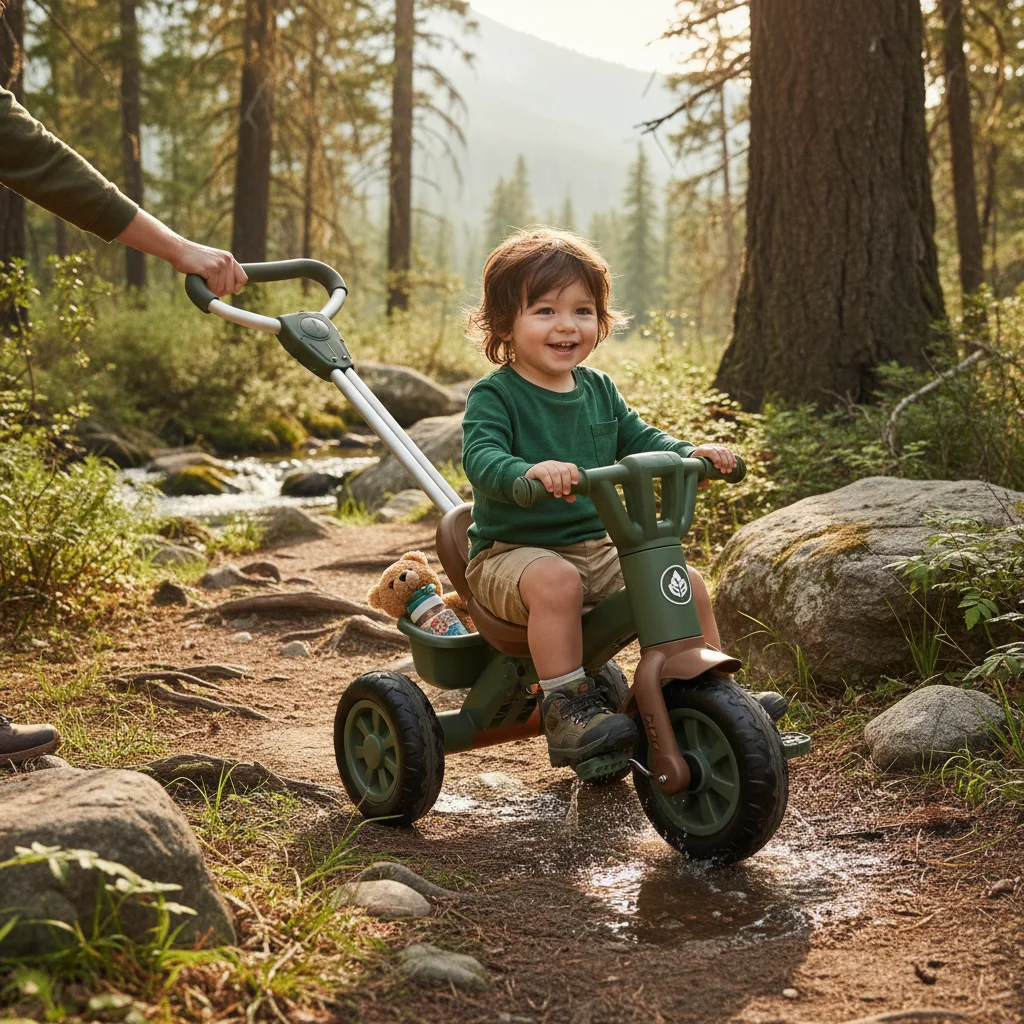
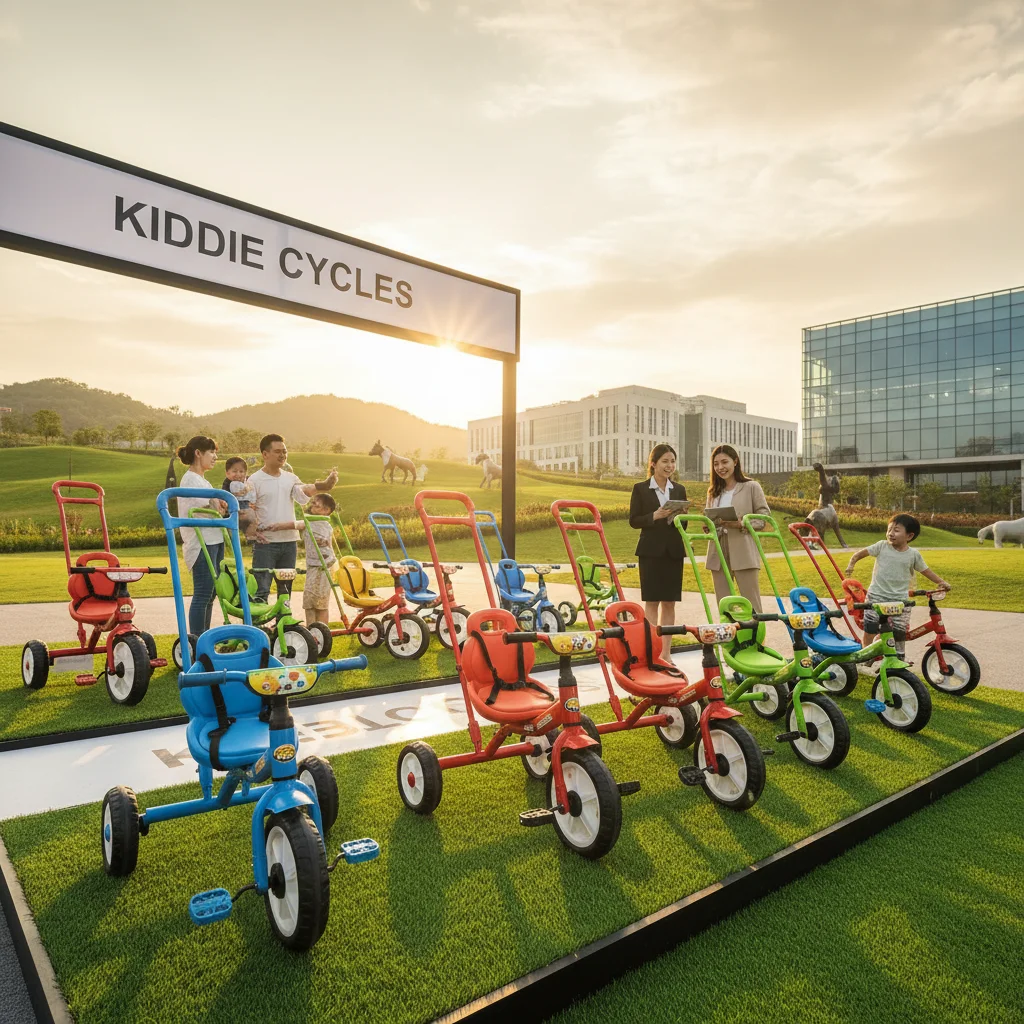
Finding a reliable tricycles for 18 month old Manufacturer is a critical decision for brands and distributors aiming to enter the early childhood development market. At 18 months, toddlers are transitioning from first steps to active exploration, requiring ride-on toys that balance stability, safety, and ergonomic design. A specialized manufacturer ensures that these products are not just toys, but tools for developing gross motor skills and coordination.
The global demand for high-quality toddler ride-ons has surged as parents become more aware of the importance of active play over sedentary screen time. A professional tricycles for 18 month old Manufacturer leverages advanced materials and pediatric ergonomics to create products that grow with the child, reducing waste and providing long-term value. This intersection of manufacturing precision and developmental psychology is what defines the industry's current gold standard.
Navigating the complexities of international safety certifications, such as ASTM and EN71, requires a partner with deep industry expertise. By collaborating with a seasoned tricycles for 18 month old Manufacturer, businesses can ensure their product lines meet rigorous quality controls while remaining competitive in price and innovative in design, ultimately fostering a safer play environment for toddlers worldwide.
The Role of a Professional Tricycles for 18 Month Old Manufacturer
A professional tricycles for 18 month old Manufacturer acts as more than just a production facility; they are innovators in early childhood mobility. By focusing on the specific physiological needs of an 18-month-old, such as their center of gravity and limited grip strength, these manufacturers create products that prevent tipping and encourage independent movement.
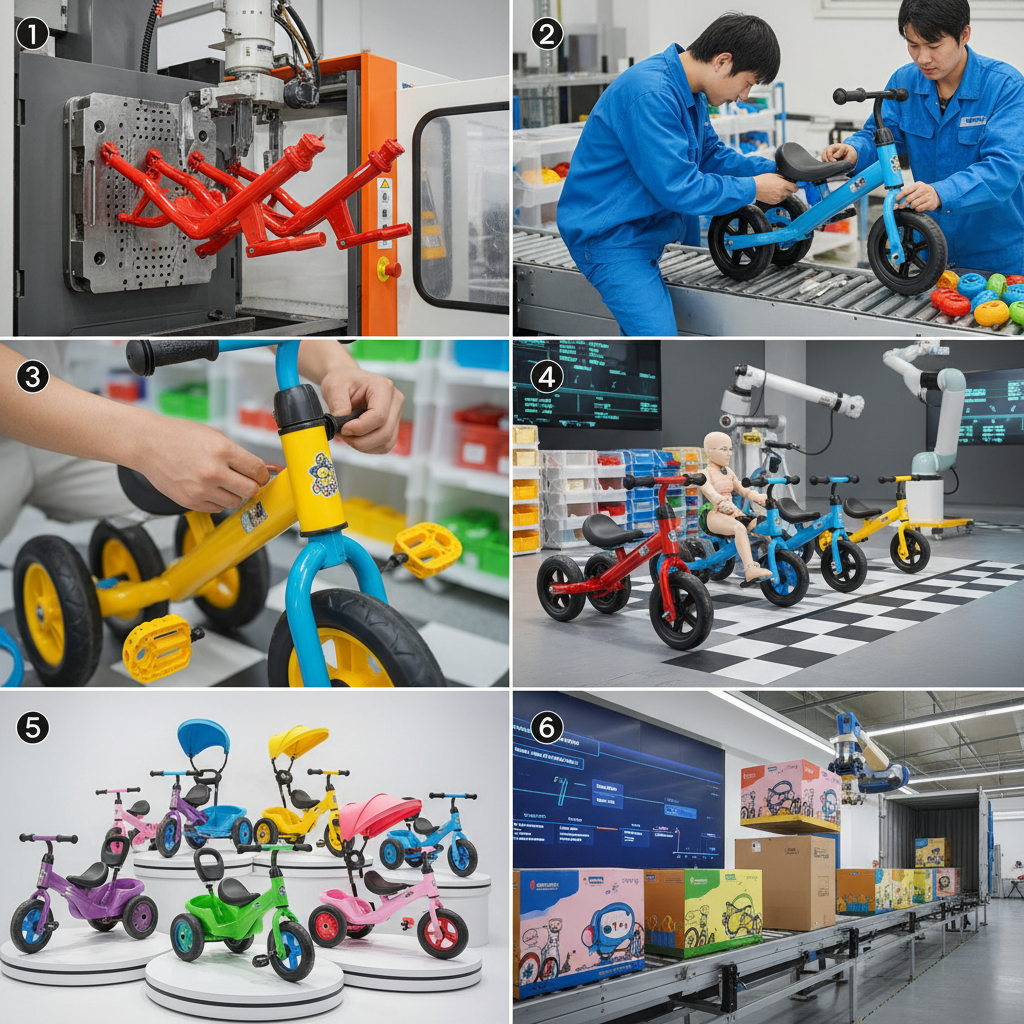
The integration of quality management systems (QMS) allows a top-tier manufacturer to maintain consistency across thousands of units. From the initial injection molding of the frame to the final assembly of the wheels, every step is calibrated to ensure that the end consumer receives a product that is durable, non-toxic, and intuitively easy for a toddler to operate.
Core Engineering Standards for Toddler Ride-Ons
Engineering a ride-on for a toddler requires a meticulous approach to stability. A leading tricycles for 18 month old Manufacturer prioritizes a wide wheelbase and a low center of mass. This prevents the common issue of sideways tipping, which is the primary cause of minor injuries in early ride-on experiences.
Beyond stability, ergonomic seating is paramount. At 18 months, children are still developing spinal strength. Manufacturers implement contoured seats with supportive backrests and safety harnesses that provide security without restricting movement, ensuring that the child remains comfortably positioned during their first excursions.
Durability is another cornerstone of engineering. Using high-impact polymers and reinforced steel joints, the products are designed to withstand the "rough and tumble" nature of toddler play. This focus on longevity ensures that the product remains a safe asset for the family throughout the child's growth phase.
Material Innovation and Child Safety
Safety begins at the molecular level. Any reputable tricycles for 18 month old Manufacturer must adhere to strict non-toxic material guidelines, ensuring that all plastics are BPA-free and phthalate-free, as toddlers frequently explore their environment with their mouths.
The choice of wheel material is equally critical. A high-end tricycles for 18 month old Manufacturer often utilizes EVA foam or high-density rubber. These materials provide the necessary grip for indoor and outdoor surfaces while remaining quiet and non-marking on home flooring.
Furthermore, the integration of "soft-touch" surfaces on handlebars and grips minimizes friction burns and enhances the tactile experience. By blending aesthetics with medical-grade safety standards, the manufacturer ensures a product that parents trust and children love.
Market Comparison and Performance Metrics
When evaluating different production methods, the industry typically looks at a balance of cost, safety, and longevity. A specialized tricycles for 18 month old Manufacturer often employs different tiers of construction to meet various market segments, from entry-level plastic models to premium multi-functional ride-ons.
The following data represents a comparative analysis of different manufacturing approaches used by a leading tricycles for 18 month old Manufacturer to optimize product performance and safety ratings.
Performance Analysis of Tricycles for 18 Month Old Manufacturing Methods
Global Distribution and Supply Chain Logistics
Scaling a business requires a tricycles for 18 month old Manufacturer that understands the intricacies of global shipping and customs. Effective packaging is not just about protection; it is about optimizing container space to reduce shipping costs per unit, which allows brands to maintain better margins.
Moreover, the ability to offer OEM and ODM services allows distributors to customize colors, branding, and features. This flexibility enables a tricycles for 18 month old Manufacturer to serve diverse markets, from the high-end boutiques of Europe to the mass-market retailers in North America, while maintaining a lean and efficient supply chain.
Developmental Benefits of Correct Tricycle Design
The primary goal of any tricycles for 18 month old Manufacturer should be the support of a child's developmental milestones. At this age, toddlers are learning "cause and effect"—pushing a pedal leads to movement. A well-designed tricycle facilitates this learning process through smooth gear ratios and responsive steering.
Balance and coordination are also significantly enhanced. By navigating obstacles and steering around furniture, children develop spatial awareness and proprioception. A manufacturer that collaborates with pediatricians ensures that the handle height and pedal distance are optimized for the average 18-month-old's reach.
Finally, the psychological benefit of independence cannot be overstated. When a child successfully operates their ride-on, it builds confidence and a sense of autonomy. A professional tricycles for 18 month old Manufacturer recognizes that they are building more than a product; they are building a child's first experience of freedom.
Future Trends in Sustainable Toy Manufacturing
The toy industry is currently undergoing a green revolution. A forward-thinking tricycles for 18 month old Manufacturer is now investing in biodegradable plastics and recycled ocean waste polymers to reduce the environmental footprint of every unit produced.
Digital transformation is also playing a role. We are seeing the integration of smart sensors in higher-end models that can track a child's activity levels or alert parents via an app if the tricycle deviates from a safe zone. These innovations are pushing the boundaries of what a traditional ride-on can offer.
Ultimately, the shift toward "Circular Economy" principles means that manufacturers are designing products that are easier to disassemble and recycle. This ensures that once a child outgrows their tricycle, the materials can be reclaimed and reused, creating a sustainable loop in the toy manufacturing ecosystem.
Comparison of Sustainable Manufacturing Standards for Toddler Tricycles
| Material Type |
Durability Score |
Eco-Friendliness |
Production Cost |
| Standard ABS Plastic |
8/10 |
Low |
Low |
| Recycled Polypropylene |
7/10 |
High |
Medium |
| Bio-based PLA |
6/10 |
Very High |
High |
| Aluminum Alloy |
10/10 |
Medium |
High |
| Bamboo Composites |
7/10 |
Very High |
Medium |
| High-Density EVA |
9/10 |
Medium |
Medium |
FAQS
You should look for certifications such as ASTM F963 (USA), EN71 (Europe), and ISO 9001 for quality management. A reputable manufacturer will provide detailed test reports for lead content, phthalates, and structural stability to ensure the ride-on is safe for very young children.
Yes, most professional manufacturers offer OEM (Original Equipment Manufacturer) and ODM (Original Design Manufacturer) services. This includes customizing the color palette, adding your company logo, and even modifying certain structural features to make your product unique in the market.
EVA foam or high-grade rubber is ideal. EVA is lightweight, shock-absorbent, and doesn't scratch indoor floors, while rubber provides better traction for outdoor use. A quality manufacturer often provides a hybrid option to suit different usage environments.
Check if the manufacturer uses pediatric data to determine seat height and pedal distance. The tricycle should allow the child's feet to reach the pedals comfortably without straining, and the handlebar should be at a height that maintains a natural upright posture.
Yes, many manufacturers are now using recycled plastics and bio-polymers. While these can sometimes have a higher initial cost, they significantly increase the brand's appeal to environmentally conscious parents and comply with stricter global sustainability laws.
Depending on the complexity of customization, lead times typically range from 30 to 60 days. This includes the time for mold creation, production, quality inspection, and packaging. Planning 3-4 months in advance of your peak season is highly recommended.
Conclusion
Partnering with a dedicated tricycles for 18 month old Manufacturer is the cornerstone of creating a successful, safe, and scalable children's product line. By focusing on the critical intersection of pediatric ergonomics, material safety, and rigorous engineering standards, businesses can deliver products that not only delight children but also provide peace of mind to parents. The combination of stability, non-toxic materials, and developmental support ensures that these ride-ons serve as an essential catalyst for early childhood growth.
Looking forward, the industry will continue to be driven by sustainability and smart integration. Manufacturers who embrace eco-friendly materials and digital enhancements will lead the market in the coming decade. For brands looking to establish a footprint in the toddler mobility space, prioritizing a manufacturer that values innovation as much as safety is the most strategic path to long-term growth. Visit our website to explore more: www.wqlkidsrideon.com