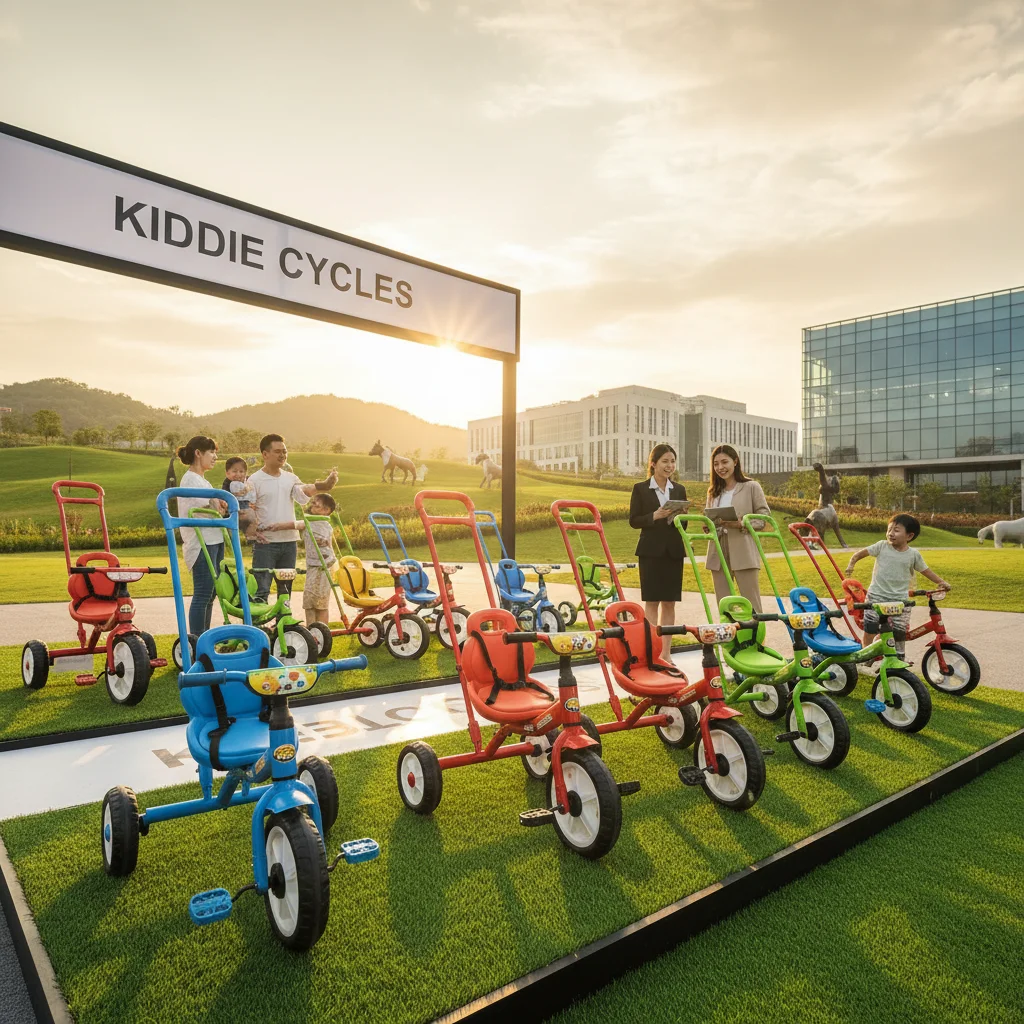
Selecting a reliable blue push trike Manufacturer is a critical decision for distributors and retailers aiming to provide safe, ergonomically designed ride-on toys for toddlers. In the competitive landscape of children's mobility, the blue push trike serves as a bridge between early stability and the independence of cycling, making the quality of manufacturing paramount to child development.
Across the globe, the demand for high-quality push trikes has surged as parents increasingly prioritize active play over screen time. A professional blue push trike Manufacturer doesn't just produce a plastic toy; they engineer a developmental tool that improves motor skills and coordination while ensuring stringent safety compliance.
Understanding the nuances of manufacturing—from non-toxic material selection to structural stress testing—allows businesses to source products that offer long-term value. By partnering with an experienced blue push trike Manufacturer, you ensure that every Baby Balance Bike or Children's Hand-Pushed Tricycle meets the highest international standards of durability and aesthetics.
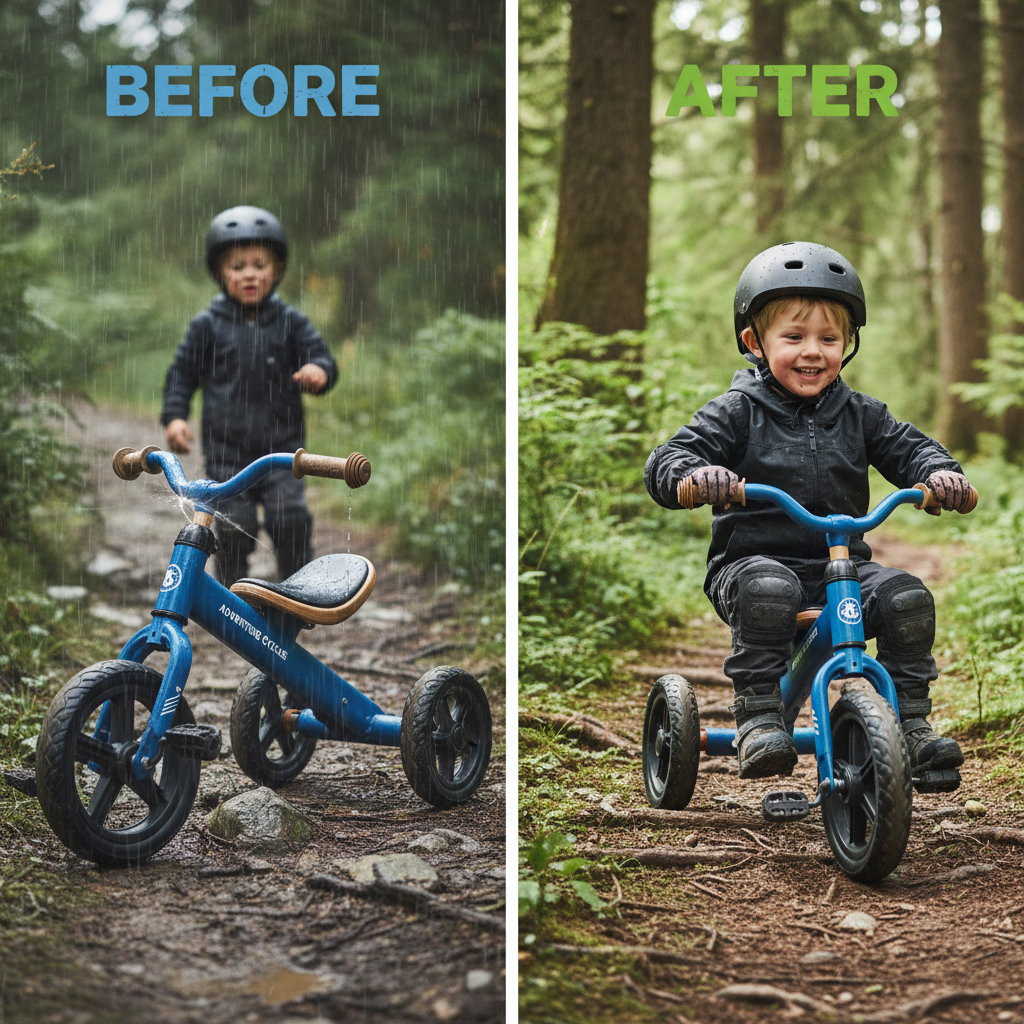
Global Standards in Blue Push Trike Manufacturing
The global toy industry is governed by strict safety protocols, such as ISO and ASTM standards, which every reputable blue push trike Manufacturer must adhere to. These regulations ensure that the plastics used are BPA-free and that the structural integrity of the tricycle can withstand the rigors of daily toddler use without compromising safety.
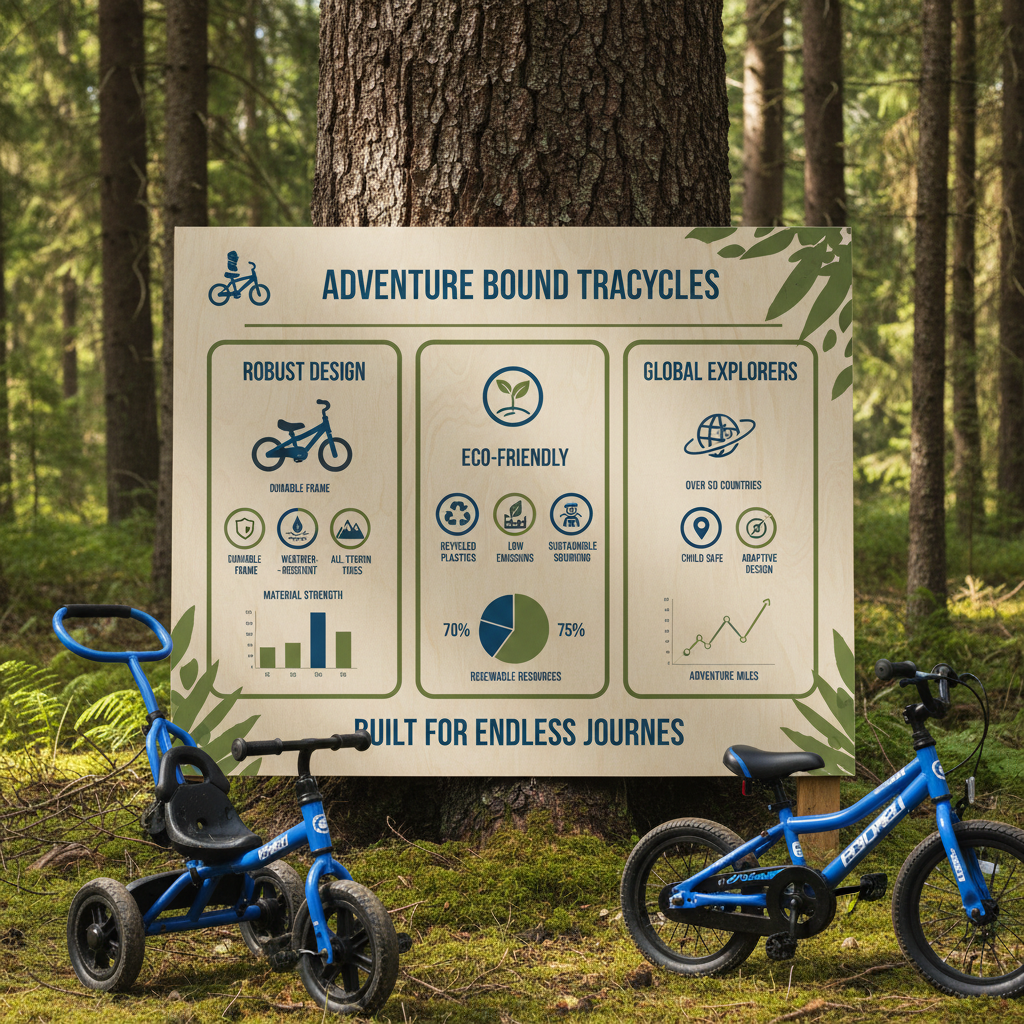
In recent years, the shift toward sustainable manufacturing has pushed the industry to integrate recycled polymers and eco-friendly dyes. A forward-thinking blue push trike Manufacturer balances these environmental goals with the necessity for high-impact resistance, ensuring the product is both green and virtually indestructible.
Defining the Role of a Blue Push Trike Manufacturer
At its core, a blue push trike Manufacturer is a specialized entity within the toy manufacturing sector that focuses on the intersection of early childhood ergonomics and mechanical stability. Unlike general toy makers, these manufacturers must understand the physiological growth of a child, ensuring that the push handle height and seat positioning are adjustable to grow with the user.
The "blue" designation often refers not just to a color preference, but to a specific market segment that values calming, gender-neutral, or classic aesthetics in children's gear. A professional manufacturer integrates these visual elements with high-grade engineering to create a product that appeals to both the aesthetic desires of the parent and the tactile needs of the child.
Furthermore, the role extends beyond assembly; it involves rigorous R&D to optimize the "push" mechanism. By refining the axle design and wheel friction, a blue push trike Manufacturer reduces the physical strain on the parent while maximizing the gliding experience for the toddler, bridging the gap between a stroller and a tricycle.
Core Components of High-Quality Ride-Ons
Durability is the hallmark of any product coming from a top-tier blue push trike Manufacturer. This involves using high-density polyethylene (HDPE) or reinforced alloys that prevent cracking under pressure, ensuring the tricycle can be passed down through multiple siblings.
Scalability in design is another critical factor. A leading blue push trike Manufacturer implements modular components, allowing the transition from a hand-pushed tricycle to a simple tricycle by easily removing the parent handle and footrests.
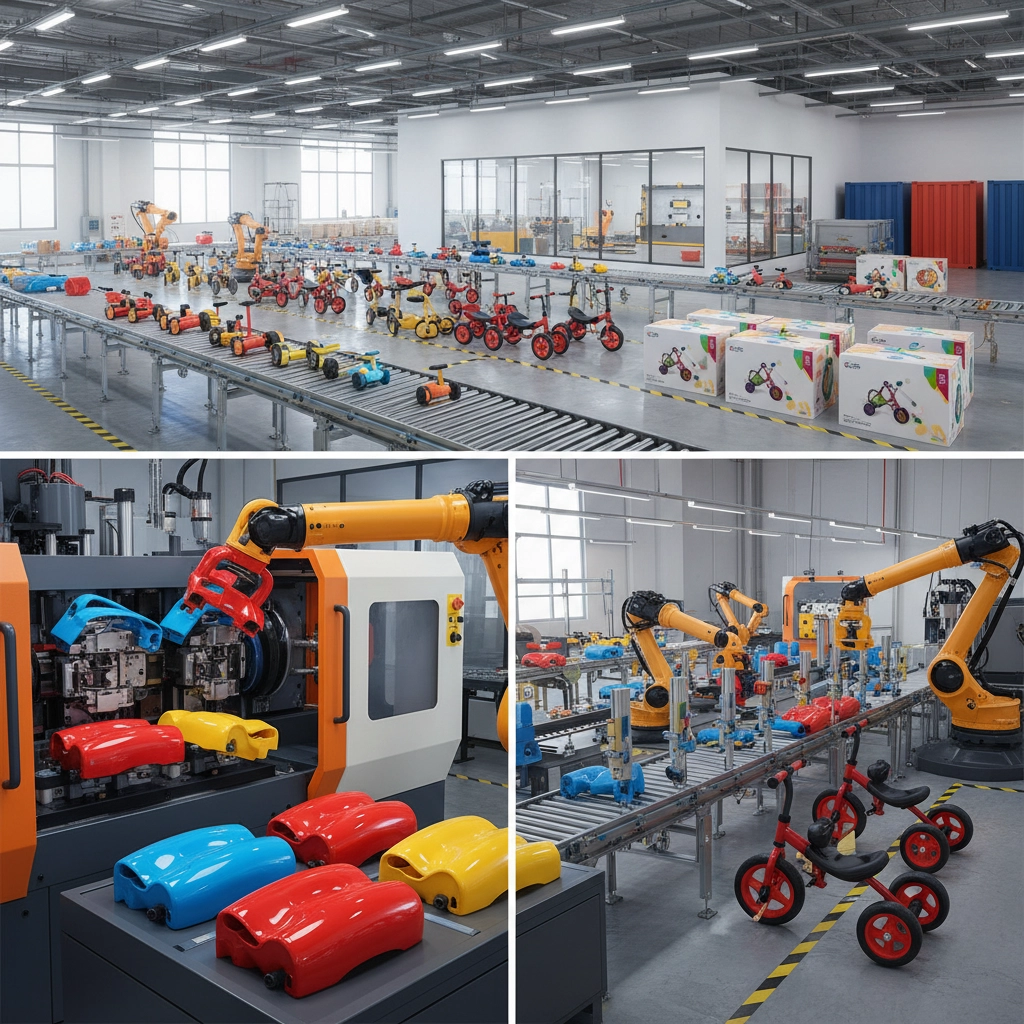
Lastly, cost-efficiency is achieved through optimized injection molding processes. By refining the mold design, a blue push trike Manufacturer can reduce material waste and production time without sacrificing the precision of the joints and fasteners.
Performance Metrics for Blue Push Trike Designs
Evaluating the quality of a ride-on product requires a data-driven approach. A professional blue push trike Manufacturer utilizes a set of Key Performance Indicators (KPIs) to test stability, wheel traction, and ergonomic comfort. These metrics ensure that the center of gravity is low enough to prevent tipping during sharp turns.
By comparing different design methodologies—such as traditional steel frames versus reinforced polymer frames—manufacturers can determine which offers the best balance of weight and strength. The following chart illustrates how various manufacturing approaches rank across different quality dimensions.
Quality Analysis by Blue Push Trike Manufacturer Method
Global Applications and Market Use Cases
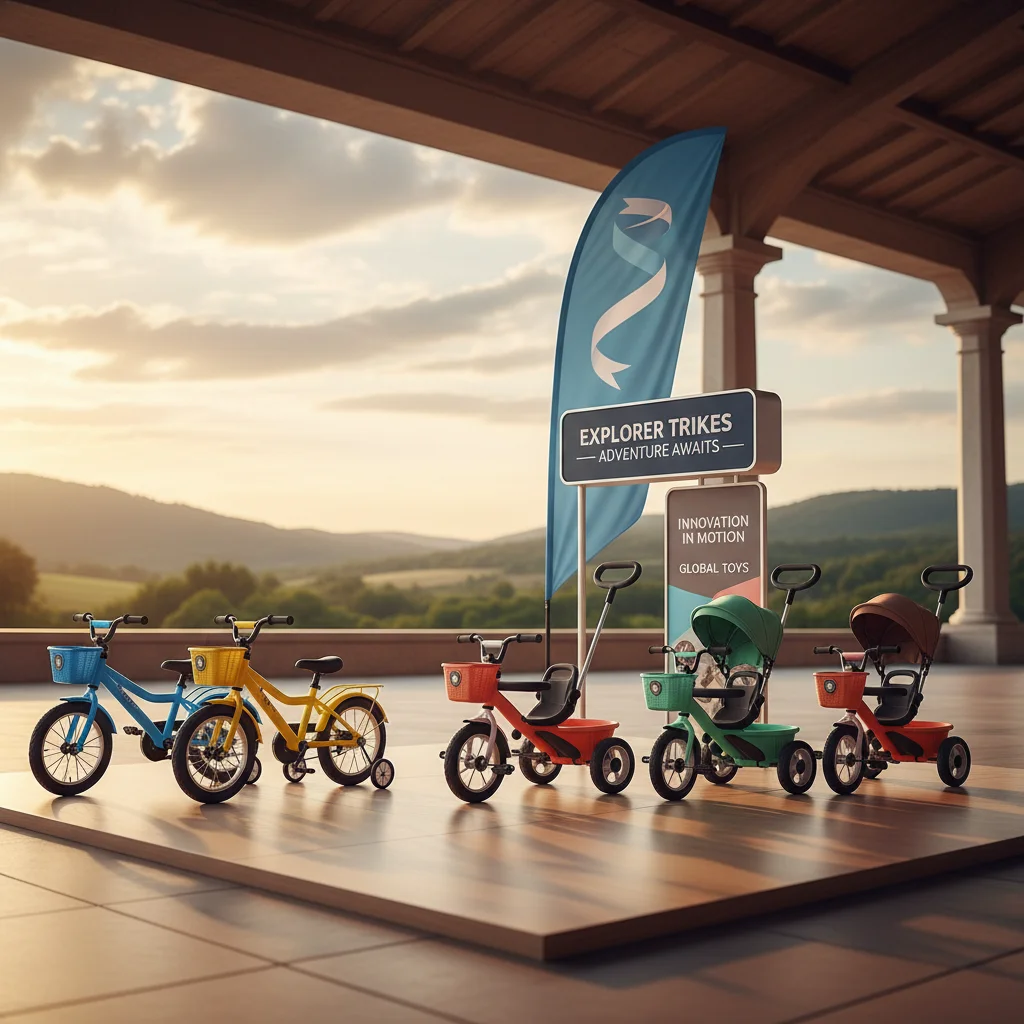
The versatility of products from a blue push trike Manufacturer allows them to be deployed in various market contexts. In urban European markets, where space is limited, foldable and compact push trikes are highly prized for their portability in apartments and public transport.
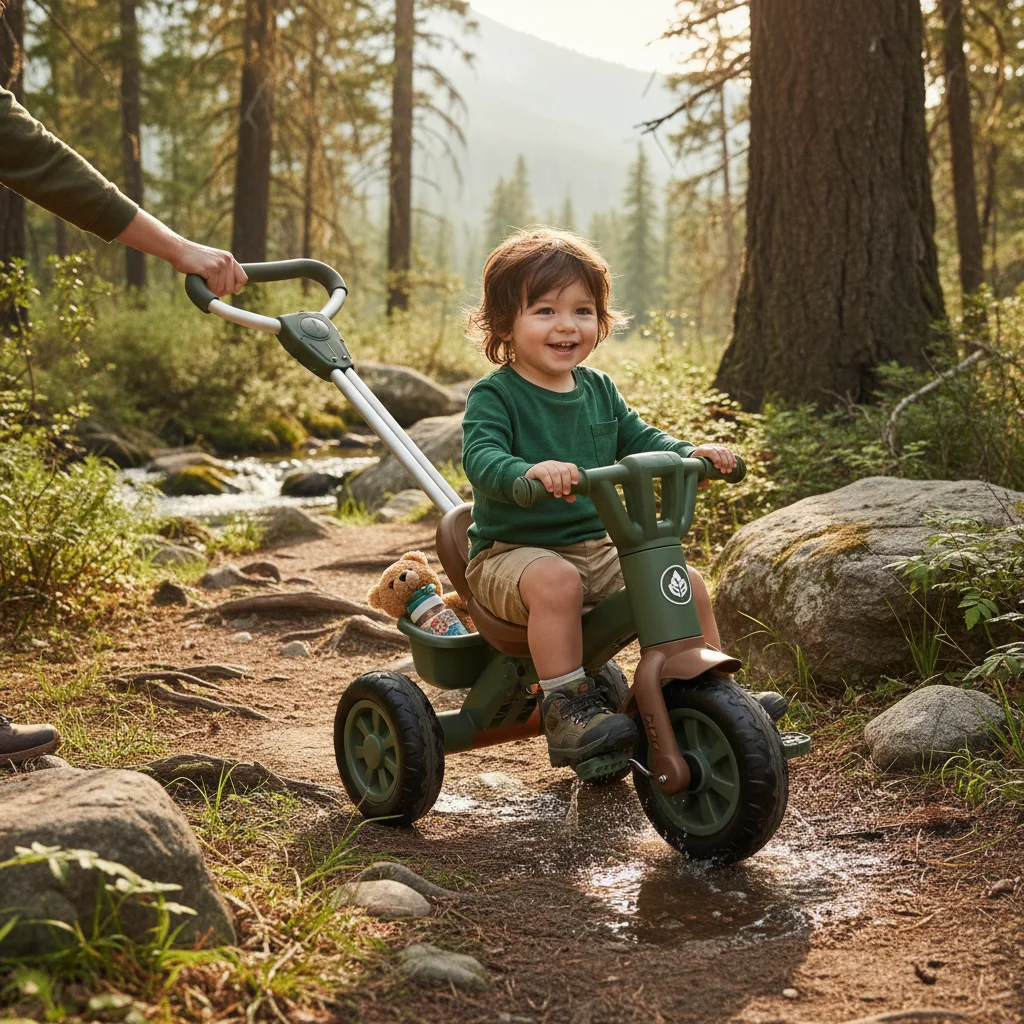
Conversely, in North American markets, there is a higher demand for "ruggedized" versions that can handle varied terrains, from paved driveways to park trails. A global blue push trike Manufacturer adapts their wheel tread and frame reinforcement to meet these regional geographical requirements.
Long-Term Value and Safety Advantages
Investing in products from a certified blue push trike Manufacturer provides tangible long-term value. Beyond the initial purchase, the use of high-grade, UV-resistant pigments ensures that the vibrant blue color does not fade under prolonged sun exposure, maintaining the product's resale value.
From a safety perspective, the logical integration of safety belts and anti-tip wheels provides parents with peace of mind. This trust is the emotional currency of the industry; when a manufacturer prioritizes safety over profit margins, they build a brand legacy of reliability.
Furthermore, the educational impact cannot be overstated. By providing a stable yet challenging ride-on experience, a blue push trike Manufacturer helps children develop the confidence needed to transition to a Children's Balance Bike, facilitating a seamless journey toward independent mobility.
Future Innovations in Tricycle Production
The future of the blue push trike Manufacturer landscape is being shaped by digital transformation and smart materials. We are seeing the integration of "smart-sensors" that can track a child's balance and movement, providing parents with data on developmental milestones via mobile apps.
Sustainability is also driving the adoption of bio-plastics derived from cornstarch or sugarcane. This shift allows a blue push trike Manufacturer to reduce the carbon footprint of their supply chain while maintaining the structural rigidity required for Children's Simple Tricycles.
Automation in the assembly line is further increasing precision. With robotic arms handling the critical fastening points, the risk of human error is minimized, ensuring that every single unit leaving the factory is an identical mirror of the safety-tested prototype.
Comparative Analysis of Manufacturing Specifications
| Material Type |
Durability Score |
Eco-Friendliness |
Market Segment |
| High-Density HDPE |
9/10 |
Moderate |
Mass Market |
| Recycled Polymer |
7/10 |
High |
Eco-Conscious |
| Aluminum Alloy |
10/10 |
Moderate |
Premium/Luxury |
| Bio-Composite |
8/10 |
Very High |
Innovative/Niche |
| Reinforced ABS |
8/10 |
Low |
Standard Commercial |
| Hybrid Carbon-Poly |
9/10 |
Moderate |
High-Performance |
FAQS
Look for certifications like ISO 9001 and ASTM safety standards. A reliable manufacturer should provide detailed material safety data sheets (MSDS) to ensure all plastics are non-toxic and BPA-free. Additionally, check their R&D capabilities and ability to offer OEM/ODM customization to ensure the product fits your specific market needs.
Push trikes require a focus on the stability of the three-wheel base and the ergonomics of the parent handle. Balance bikes, however, emphasize lightweight frames and steering precision for the child. A versatile manufacturer will optimize the weight distribution differently for each to ensure safety and ease of use.
Modern bio-composites and recycled polymers have evolved to match the tensile strength of traditional plastics. While early eco-materials were brittle, leading manufacturers now use additives that enhance impact resistance, making them perfectly suitable for the rigorous demands of a children's tricycle.
Yes, most professional manufacturers offer custom color matching (Pantone) and logo embossing. Whether you need a specific shade of navy or a custom brand logo on the frame, manufacturers using injection molding can integrate these customizations directly into the production mold for a seamless finish.
When sourced from a high-end manufacturer, a push trike can last 3-5 years, often spanning across multiple children. The key is the use of UV-stabilized plastics and reinforced axles, which prevent the common issues of sun-bleaching and mechanical failure.
Implement a tiered inspection process: First, a pre-production sample approval; second, during-production inspections (DPI); and third, a final random sampling (AQL) before shipping. Working with a manufacturer that allows third-party audits is a strong indicator of their confidence in quality.
Conclusion
Partnering with a professional blue push trike Manufacturer is about more than just sourcing a product; it is about ensuring the safety, development, and joy of the youngest users. By focusing on material integrity, ergonomic design, and adherence to global safety standards, manufacturers can create ride-ons that provide immense value to both parents and children.
As the industry moves toward smarter, greener, and more sustainable production methods, the role of the manufacturer will continue to evolve from simple assembly to complex engineering. We encourage distributors and brands to prioritize long-term quality and innovation to stay competitive in the global children's mobility market. Visit our website for more professional solutions: www.wqlkidsrideon.com