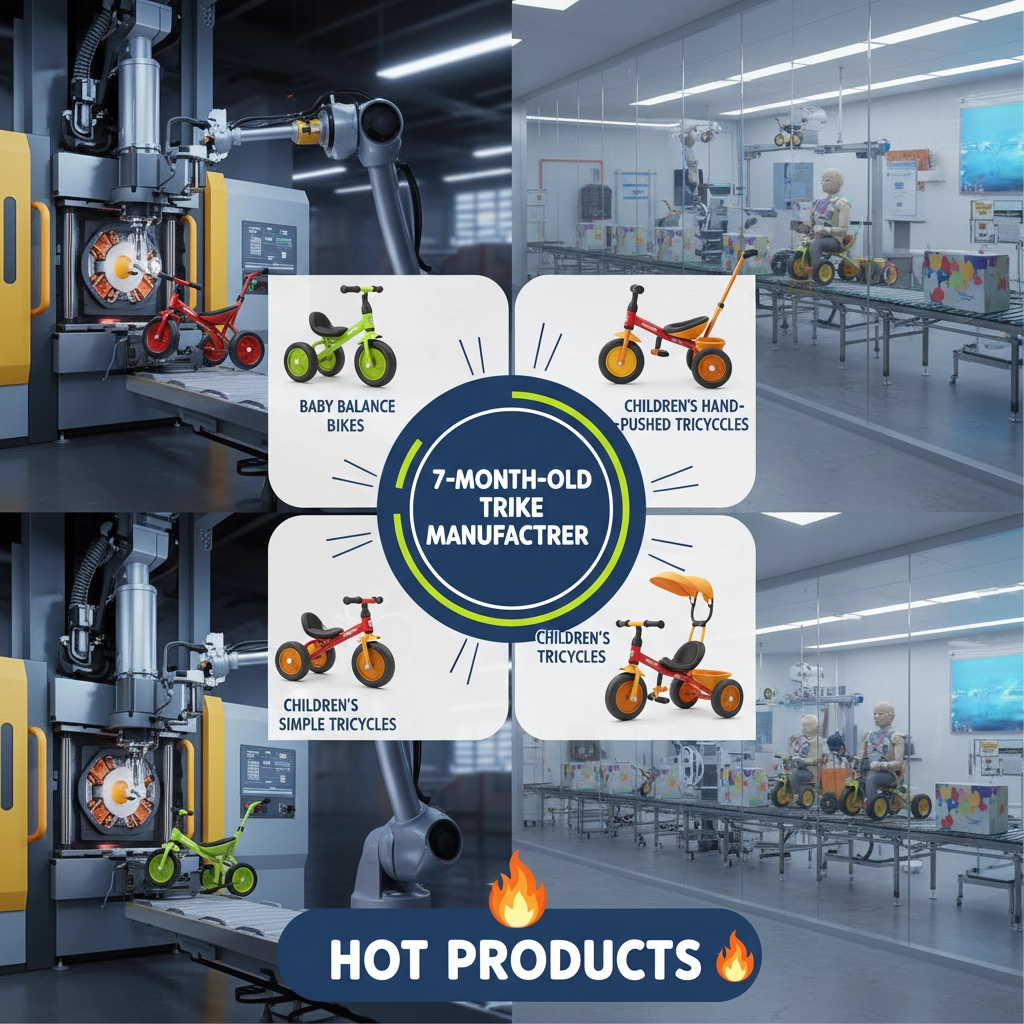
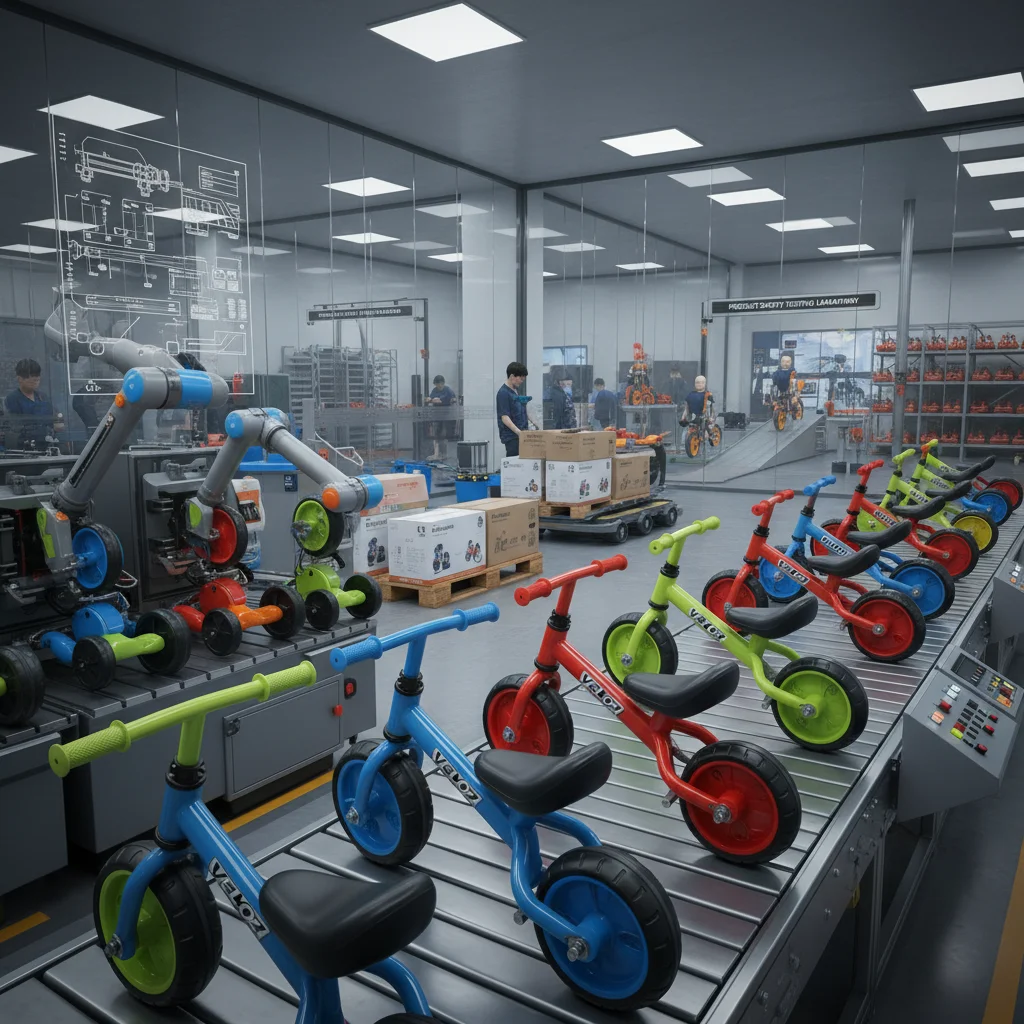
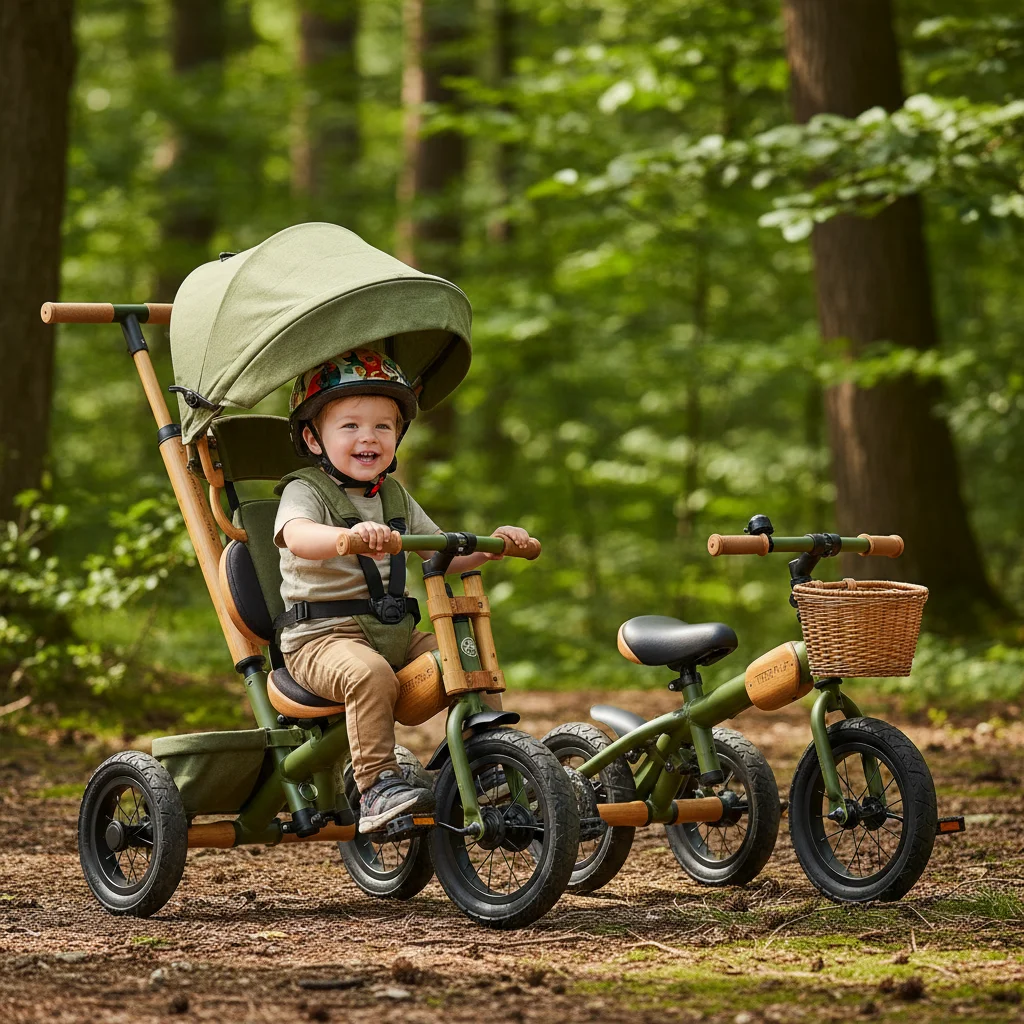
Finding a reliable trike for 7 month old Manufacturer is a critical decision for brands and distributors who prioritize early childhood developmental milestones. At seven months, infants are transitioning toward sitting independently and exploring their environment, making the design of their first ride-on toy a complex balance of ergonomic support, absolute safety, and sensory stimulation.
The global market for infant mobility has seen a significant shift toward "grow-with-me" designs, where a professional trike for 7 month old Manufacturer integrates push-handles for parents and adjustable seating for the child. This evolution ensures that the product remains useful from infancy through the toddler years, reducing waste and providing long-term value to the consumer.
Understanding the technical specifications behind these products—such as non-toxic polymer compositions, center-of-gravity calculations, and ASTM/EN71 safety certifications—is what separates a generic toy from a professional developmental tool. By partnering with a specialized manufacturer, businesses can ensure they deliver products that promote motor skills while maintaining the highest global safety standards.
Safety Standards in Infant Trike Manufacturing
For any reputable trike for 7 month old Manufacturer, safety is not merely a feature but the foundation of the entire engineering process. At seven months, children lack the core strength to stabilize themselves, meaning the trike must feature a high-back support system and a secure five-point harness. Manufacturers must adhere to rigorous international standards, such as the ASTM F963 in the US and EN71 in Europe, to prevent pinch points and ensure structural integrity under stress.
Beyond the physical build, safety extends to the chemistry of the product. Lead-free paints, BPA-free plastics, and phthalate-free soft grips are mandatory. A professional manufacturer implements a multi-stage testing protocol, including drop tests, load-bearing simulations, and chemical leaching analysis, to guarantee that every unit leaving the factory is safe for the most vulnerable users.
Ergonomic Design for Early Developmental Stages
The ergonomic requirements for a 7-month-old differ vastly from those of a toddler. A leading trike for 7 month old Manufacturer focuses on "passive stability," ensuring the wheelbase is wide enough to prevent tipping even when the child shifts weight abruptly. The seat angle is typically designed to support a semi-reclined position, mirroring the natural posture of an infant who is still mastering upright balance.
Furthermore, the integration of the parent-push handle is a critical ergonomic touchpoint. The height must be adjustable to accommodate different adult statures, reducing wrist strain and improving the maneuverability of the trike. By utilizing high-quality ball bearings in the front wheels, the manufacturer ensures a smooth glide that prevents the jarring movements which could distress a young infant.
Finally, tactile stimulation is woven into the design. From textured handles to contrasting colors on the steering wheel, these elements are strategically placed to encourage hand-eye coordination and sensory exploration, transforming a simple transportation tool into an educational asset for early childhood development.
Material Innovation and Non-Toxic Certification
The choice of materials is where a premium trike for 7 month old Manufacturer distinguishes itself from low-cost competitors. High-density polyethylene (HDPE) is often preferred for its impact resistance and durability, while EVA foam wheels are used to provide a silent, shock-absorbing ride that doesn't mark indoor floors.
To meet the strict demands of modern parents, a trike for 7 month old Manufacturer must provide comprehensive certifications. This includes REACH compliance for chemical safety and OEKO-TEX certifications for any fabric components used in the seating or sun canopies, ensuring no harmful substances come into contact with the baby's skin.
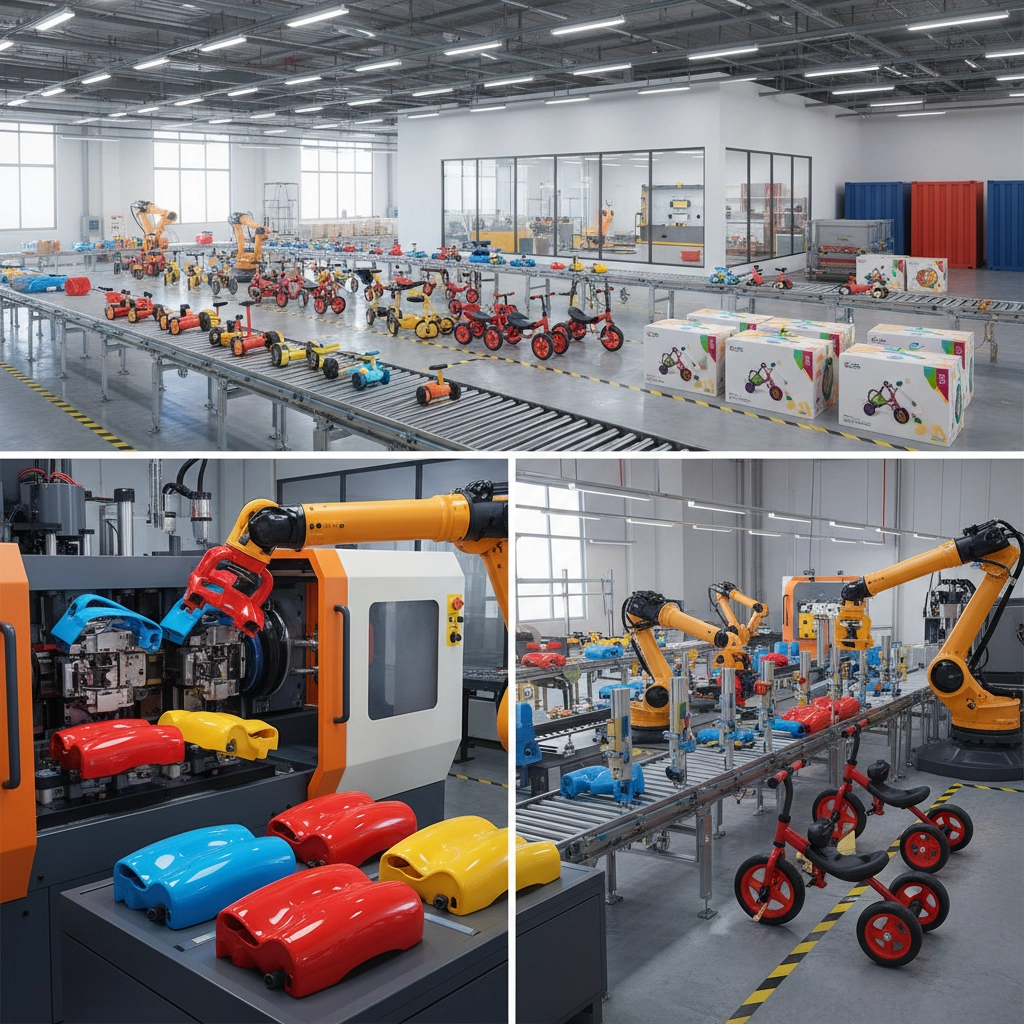
Innovation in materials also includes the adoption of eco-friendly, recycled plastics without compromising structural strength. By utilizing advanced injection molding techniques, manufacturers can reduce material waste while increasing the precision of the components, resulting in a more stable and longer-lasting product.
Scalability and Modular Product Architecture
One of the most significant challenges for a trike for 7 month old Manufacturer is creating a product that doesn't become obsolete in six months. Modular architecture allows the trike to evolve through three distinct stages: the "stroller mode" for infants, the "guided mode" for toddlers, and the "independent mode" for older children.
This scalability involves removable safety bars, adjustable footrests, and interchangeable wheel sets. By designing a chassis that can support these modifications, the manufacturer provides a sustainable solution that appeals to eco-conscious parents and increases the perceived value of the product.
Manufacturing Efficiency Ratings by Product Category
Global Supply Chain and Quality Control Logistics
Operating as a global trike for 7 month old Manufacturer requires a sophisticated supply chain that can source high-grade polymers and precision bearings from vetted vendors. Quality control is implemented at every stage, from the raw material inspection (IQC) to the final assembly testing (FQC), ensuring that no defective unit reaches the end consumer.
Logistical efficiency is also paramount. By optimizing the packaging to reduce volume without sacrificing protection, manufacturers can lower shipping costs and reduce the carbon footprint associated with international distribution. This lean approach allows the brand to remain competitive while maintaining high quality standards.
Market Trends in Children's Ride-on Vehicles
The current trajectory of the industry shows a strong move toward "Smart Mobility" for toddlers. A forward-thinking trike for 7 month old Manufacturer is now exploring the integration of lightweight carbon-fiber frames and antimicrobial fabrics to meet the needs of health-conscious urban parents.
There is also a growing demand for personalization. Custom colorways, engraved nameplates, and interchangeable accessory kits allow brands to move from a commodity-based model to a lifestyle-brand model. This shift increases customer loyalty and allows for higher premium pricing.
Sustainability is no longer optional; it is a market driver. The transition toward biodegradable plastics and plastic-free packaging is now a primary requirement for entering the European and North American markets, pushing manufacturers to innovate their production cycles.
Manufacturing Comparison and Performance Analysis
When evaluating a trike for 7 month old Manufacturer, it is essential to compare performance across several key metrics: stability, durability, ease of assembly, and safety certification. While low-cost options may look similar, the internal structural reinforcement and the grade of the plastic often differ significantly.
A professional manufacturer utilizes Finite Element Analysis (FEA) to simulate stress on the frame, ensuring that the trike can withstand the rigors of daily use over several years. This technical approach minimizes the risk of structural failure and enhances the overall lifespan of the product.
The following table provides a comparative analysis of different manufacturing approaches to highlight the advantages of choosing a high-specification partner for infant ride-ons.
Comparison of Infant Trike Manufacturing Standards
| Manufacturer Tier |
Material Grade |
Safety Certification |
Life-cycle Value |
| Premium OEM |
Medical-grade HDPE |
ASTM, EN71, REACH |
High (3-5 Years) |
| Mid-Range Factory |
Standard PP/ABS |
Local Standards only |
Medium (1-2 Years) |
| Budget Producer |
Recycled Mixed Plastic |
Partial/No Certs |
Low (< 1 Year) |
| Eco-Innovator |
Bio-based Polymers |
Full EU Green Certs |
High (Sustainable) |
| Specialized Boutique |
Aluminum/Polymer Hybrid |
ASTM Premium |
Very High (Heirloom) |
| Mass Market |
Injection Molded PP |
Standard ISO |
Medium (2 Years) |
FAQS
Yes, provided it is produced by a professional trike for 7 month old Manufacturer that includes a high-back support seat, a secure safety harness, and a parent-controlled push handle. At this age, the baby should not be pedaling independently; the trike acts as a secure stroller-hybrid that allows the child to observe the world while being fully supported.
Look for non-toxic, BPA-free, and phthalate-free plastics such as HDPE. The wheels should ideally be made of EVA foam or rubber for shock absorption. Additionally, ensure the fabrics used in the seat and canopy are OEKO-TEX certified to ensure they are safe for sensitive infant skin.
Ask for official certification documents such as ASTM F963 (USA), EN71 (Europe), or ISO 9001. A reputable trike for 7 month old Manufacturer will be transparent about their testing protocols and can provide third-party lab reports verifying the chemical safety and structural integrity of their products.
Yes, professional designs feature modular components. This typically involves removing the parent push-handle, adjusting the seat height, and removing the safety guards as the child develops the balance and strength to steer and pedal on their own, usually transitioning from 7 months up to 3 or 4 years.
Regularly clean the plastic surfaces with mild soap and water, avoid harsh chemicals that can degrade the polymer. Check the bolts and screws periodically to ensure they remain tight, and keep the wheel axles free of debris to maintain a smooth rolling experience.
For a 7-month-old, a trike is the only appropriate choice because it provides the necessary stability and back support. Balance bikes are designed for toddlers (usually 18+ months) who already have the core strength to balance on two wheels without support.
Conclusion
Selecting a professional trike for 7 month old Manufacturer is a strategic investment in safety, developmental science, and product longevity. From the meticulous selection of non-toxic materials to the implementation of modular growth stages, every detail contributes to a product that supports a child's growth while providing parents with peace of mind. The integration of global safety certifications and ergonomic engineering ensures that these ride-ons are more than just toys—they are essential tools for early childhood exploration.
Looking ahead, the industry will continue to evolve toward sustainable materials and smarter, more adaptable designs. For brands and distributors, the key to success lies in partnering with manufacturers who prioritize E-E-A-T principles: Experience in infant ergonomics, Expertise in material science, Authoritativeness in safety compliance, and Trustworthiness in quality control. We invite you to explore our range of professional mobility solutions. Visit our website: www.wqlkidsrideon.com